
 August M
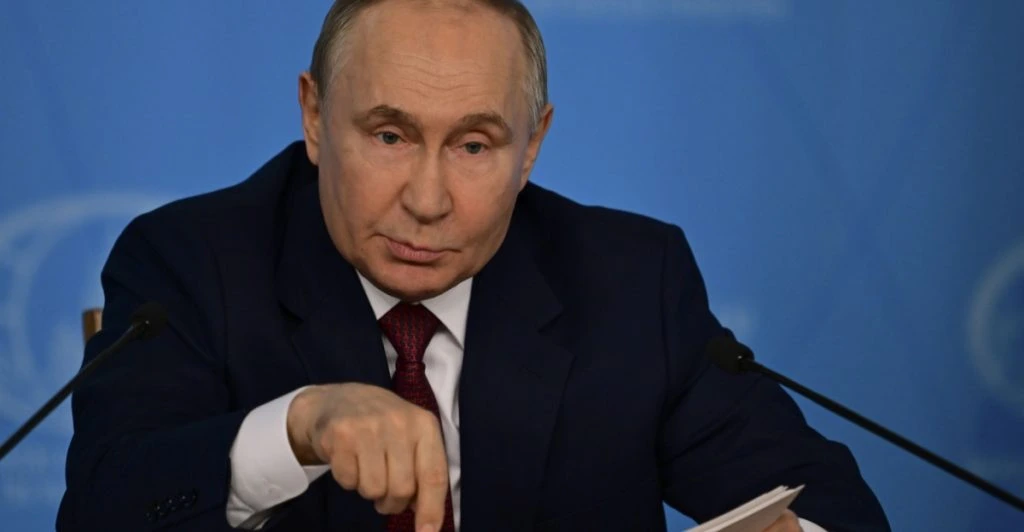
Tensions between Moscow and NATO escalated after the Kremlin issued a pointed warning to one of the Baltic states.


The remarks come amid renewed debate in Estonia over whether it could host allied nuclear capabilities on its soil.
Direct warning
According to The Express, Kremlin spokesperson Dmitry Peskov told Russian outlet Vesti that Moscow would respond in kind if nuclear weapons were stationed in Estonia.
“If there are nuclear weapons on Estonian territory aimed at us, then our nuclear weapons will be aimed at Estonian territory. And Estonia must clearly understand this,” Peskov said.
He added that Russia is prepared to take any steps necessary to guarantee its security.


The comments followed statements from Estonian officials indicating openness to hosting NATO nuclear assets if required under alliance defence plans.
Estonia’s position
Estonia’s Foreign Minister Margus Tsahkna recently said that “Europe should not push away NATO-wide nuclear deterrence,” according to Estonia’s ERR.
“Bringing a nuclear weapon here to our territory — we are not against it. We do not have a doctrine in which we have somehow ruled out, if NATO deems it necessary in accordance with our defense plans, the placement of a nuclear weapon, for example, on our territory,” Tsahkna said.
Last summer, Estonia’s Defence Minister Hanno Pevkur also said the country would be ready to host allied aircraft with nuclear capabilities. “The F-35s have already been in Estonia and will soon return again in rotation. We are ready to continue to host allies on our territory, including those who use such platforms,” he stated.
Nuclear doctrine shift
The Express noted that Russia updated its formal nuclear doctrine less than two years ago, after President Vladimir Putin signed a decree revising conditions for potential use.
According to the Arms Control Association, the updated policy “appears to lower the threshold for nuclear use.”
The document states that Russia “reserves the right” to use nuclear weapons not only in response to a nuclear strike but also in the event of a conventional attack posing a “critical threat” to its “sovereignty and territorial integrity,” or that of its ally Belarus.
The revision came after reports that then US President Joe Biden had authorised Ukraine to use US-supplied long-range missiles against targets deeper inside Russia, the Arms Control Association said.
The latest exchange underscores rising tensions between Russia and NATO as the war in Ukraine continues.
Sources: The Express, ERR, Arms Control Association



