
 Kenneth Glad

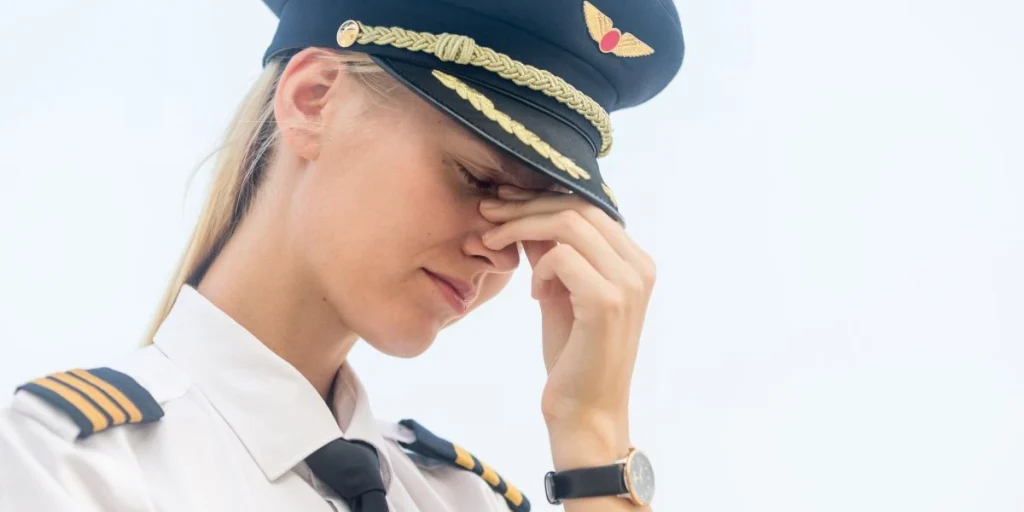
Most travelers trust that the person sitting at the controls of their holiday flight is sharp, rested, and ready for anything. Flying high above the clouds feels routine, yet the hidden strain inside the cockpit tells a very different story. Behind closed security doors, exhaustion is quietly taking a toll.


Cockpit exhaustion across Europe has reached alarming levels, according to a recent survey by the European Cockpit Association. Nearly 7,200 commercial pilots took part in the research. The numbers paint a grim picture. Three out of every four pilots admitted they had experienced an involuntary microsleep while flying an aircraft in the four weeks before the study.
Even worse, nearly a quarter of respondents routinely push through dangerous exhaustion to keep planes in the air instead of stepping aside. Another 17 percent simply call in sick to avoid the fallout of admitting they are too tired to fly safely. Long hours, disruptive schedules, and irregular rest constantly throw sleep patterns out of balance.
Afraid to speak up
The problem is not just tired bodies, but an industry culture that discourages honesty. Almost half of the surveyed crew members worried about facing penalties or backlash from management if they declared themselves unfit. In fact, barely 12 percent said they trust the reporting system at their company.
Crews working for carriers registered in Ireland and Malta reported the worst exhaustion, the highest number of unintended naps, and the lowest trust in their employers. In contrast, pilots flying for airlines in Finland and the Netherlands felt far more supported.


Ian Holder, managing director of the safety consultancy Baines Simmons, noted that the results capture how pilots experience safety rules in everyday practice, writes The Guardian.
Pressure at the controls
Many captains feel forced into keeping schedules running at all costs. Roughly two in five pilots said they recently used captain discretion to stretch working hours or cut rest periods. Yet nearly 70 percent said refusing such duty extensions causes real anxiety.
Low-cost carriers and temporary charter airlines showed the highest levels of concern. That has prompted worker groups to demand urgent reforms from safety watchdogs.
Capt Tanja Harter, president of the pilots association, stressed that regulators must step in. “This cannot be simply left to us, the pilots, to manage, while we are on the flight deck and expected to bring our passengers safely to their destination,” she warned.



