
 Nicolai Haugsted
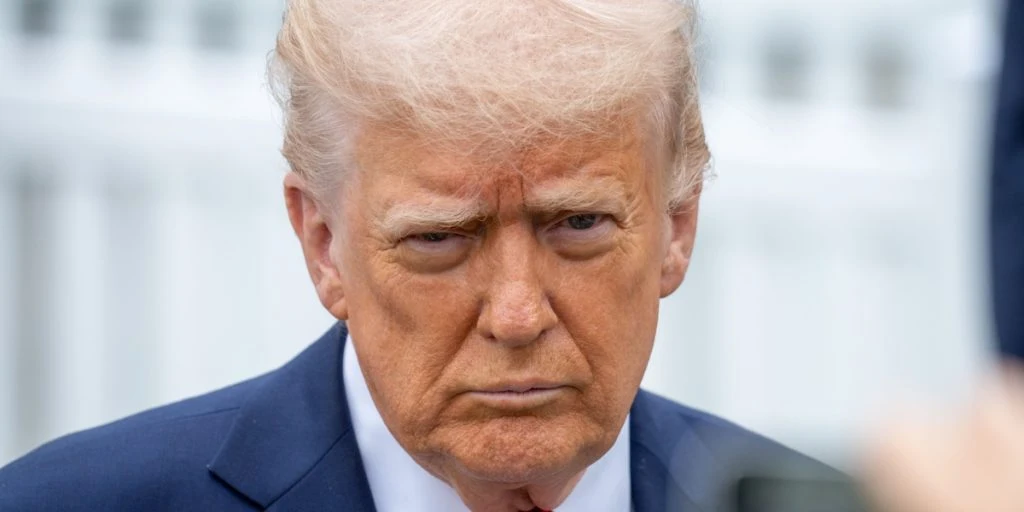
Trump administration reveals the stories that helped get CNN, Politico and MS NOW kicked out of the White House.


Donald Trump’s latest fight with the American press has moved from the White House gates to a federal courtroom.
Reporters for CNN, Politico and MS NOW have already had their credentials deactivated, leaving three major news organizations outside a building they routinely cover. Now the Trump administration is explaining why it believes the president should be allowed to keep them there.
Court filings submitted Tuesday point to reporting about the Iran war, America’s missile supplies, the FBI, Trump’s new White House ballroom and even the gloomy mood surrounding a Republican convention in Texas.
Underlying the dispute is a much bigger question: how much power should a president have to decide which journalists get through the White House door?


Trump administration points to sensitive reporting
Justice Department lawyers defended Trump’s decision by arguing that the three organizations had crossed professional lines with some of their reporting.
“The President has determined that Plaintiffs failed to meet minimum standards of professional journalistic conduct by publishing classified and national security information,” the administration said in its memorandum, according to Politico.
Examples cited by the administration included CNN reporting about depleted US missile stockpiles during the war with Iran.
CNN has reported that the conflict placed substantial pressure on America’s supply of sophisticated interceptors and other weapons.
Another CNN report cited in the dispute concerned an investigation into the leaking of unfavorable stories about FBI Director Kash Patel.
Politico also landed on the administration’s list after publishing details from a Secret Service briefing given to Republican senators concerning Trump’s new White House ballroom.
Taken together, the administration is presenting the ban as more than retaliation for unfriendly headlines.
The three organizations strongly disagree.
One Politico story had nothing to do with military secrets
National security does not appear to explain every example highlighted by the administration.
Letters reportedly sent to the outlets Tuesday cited individual stories as justification for revoking their access. According to Politico’s account, the unsigned letters were not on official letterhead and did not actually allege that the referenced articles themselves contained classified material.
Perhaps the most striking example concerned Republican politics rather than intelligence or military operations.
Politico’s Playbook had reported from the Republican convention in Dallas that anxiety was running high ahead of November’s midterm elections.
“The vibes are very bad,” a Republican lobbyist close to the White House told Politico.
Another person close to the White House offered an equally gloomy assessment.
“My only hope is that no one watches it since it’s competing versus NFL opening games,” the person said. “Hopefully nobody notices the embarrassing show.”
Politico’s reporting also described Republicans worrying about Trump’s potential effect on candidates heading into November.
Such material makes the administration’s broader argument especially significant, because Trump’s original public explanation for targeting the outlets focused heavily on coverage he considered unfair or negative. CNN reported that Trump announced the ban after complaining about “negative coverage.”
Three outlets found their badges suddenly useless
Trump announced Friday that CNN, MS NOW and Politico would lose White House access.
Saturday morning made the consequences rather tangible.
CNN senior White House reporter Betsy Klein arrived for work and attempted to use her badge.
“So, I walk in, I tap my badge, and it beeps a couple of different times,” Klein later recalled. “It turns red, blue and green, and it didn’t accept my PIN number.”
A Secret Service agent then informed her that the credential had been deactivated. Politico reporter Cheyenne Haslett and journalists from MS NOW were also denied entry.
The dispute quickly affected more than everyday access to the White House grounds.
CNN had been scheduled to handle television pool duties during Trump’s trip to New York for the UN General Assembly, but could no longer perform that role after losing access. Other major television networks declined to step in as a show of solidarity.
A 1977 ruling stands in Trump’s way
Trump’s lawyers now face a legal precedent that has protected White House journalists for nearly half a century.
Sherrill v. Knight dates back to 1977 and established important procedural protections surrounding access to White House press facilities.
The federal appeals court held that once the White House provides press facilities, access cannot simply be denied arbitrarily. Journalists facing exclusion must also receive notice explaining the factual basis for the decision, an opportunity to respond and a written final decision.
Justice Department lawyers are now asking the courts to move away from that precedent, according to the filing described in the source material.
Their argument instead leans on a more recent appeals court decision concerning presidential control over access to highly sensitive spaces such as the Oval Office.
Such a shift could carry consequences well beyond CNN, Politico and MS NOW.
Trump said Friday that additional news organizations could also find themselves targeted.
CNN, Politico and MS NOW take Trump to court
The three organizations responded together Monday.
Their lawsuit argues that the revocation of White House credentials violates the First Amendment and asks a federal judge to restore access while the larger case proceeds.
“This morning, we notified the government that we are filing a lawsuit to protect our First Amendment rights and defend the principle that the government does not decide what the press reports or publishes,” the organizations said in a joint statement.
“Without notice or process, the White House revoked our journalist credentials because it objected to our reporting.”
Their complaint argues that losing White House access causes continuing harm by preventing journalists from carrying out normal reporting and newsgathering work.
Trump has defended the bans, while the administration’s legal filings now attempt to put a national-security justification behind at least part of the decision.



