
 Nicolai Haugsted

Trump takes another swing at birthright citizenship after court loss.

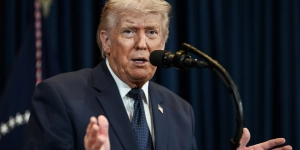
Donald Trump has reopened one of the biggest constitutional battles of his presidency.
Just weeks after the U.S. Supreme Court rejected his previous effort, the president has signed two new executive orders aimed at restricting automatic citizenship for certain children born in the United States.
The White House argues the latest measures target narrow exceptions under existing law, while critics say they are simply another attempt to sidestep the court’s ruling.
A central target of Trump’s latest action is so-called “birth tourism” — the practice of foreign nationals traveling to the United States to give birth so their children automatically receive U.S. citizenship.


Speaking during the signing ceremony in the Oval Office, White House adviser Stephen Miller declared: “That practice of birth tourism is, as of the signing of this order, hereby banned.”
According to Reuters via. estimates from the Center for Immigration Studies, between 20,000 and 25,000 women traveled to the United States for birth tourism during a one-year period between 2016 and 2017. By comparison, the U.S. recorded roughly 3.6 million births in 2025.
The executive orders also seek to limit citizenship rights for children born to foreign government employees in the United States and for children of individuals classified as “alien enemies.”
Trump criticizes Supreme Court ruling
The move comes after the Supreme Court ruled on June 30 that Trump’s previous executive order attempting to restrict birthright citizenship violated the Constitution.
Rather than asking Congress to change the law, Trump has opted to issue new executive orders that the administration believes fall outside the scope of the court’s decision.
Trump called the ruling “a very unfortunate decision” and argued that birth tourism had become a business.
“That’s not the way it’s supposed to work. It’s a disgrace. They’re buying their way in, and we’re not going to let it happen,” the president said.
Legal fight appears inevitable
Immigration advocates and constitutional experts were quick to question whether the new directives can survive judicial scrutiny.
Deborah Fleischaker of UnidosUS said: “Just five weeks ago, the Supreme Court made clear that birthright citizenship is not subject to a president’s whims, it is a constitutional guarantee that has stood for more than 150 years. Today’s executive orders are nothing more than an attempt to get around that ruling.”
The American Civil Liberties Union has already predicted the orders will ultimately fail in court.
Birthright citizenship has long been protected under the Citizenship Clause of the 14th Amendment, which grants U.S. citizenship to nearly everyone born on American soil, with only a handful of historically recognized exceptions, such as children of foreign diplomats. The administration argues those exceptions should now be interpreted more broadly, a position that is expected to face immediate legal challenges.



