
 Kenneth Glad
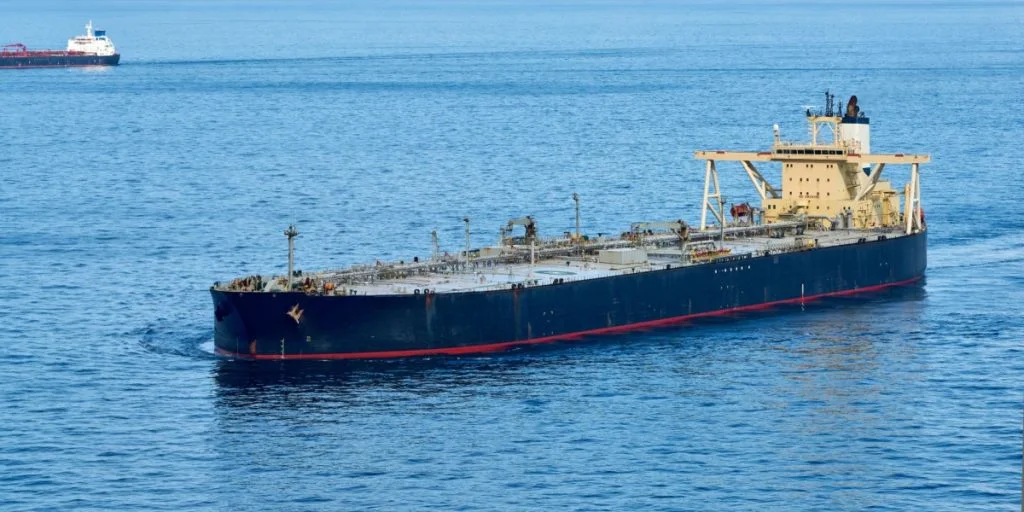
A short-term policy change has been introduced as officials respond to mounting pressure in international energy markets. The measure is intended to address immediate supply concerns while broader geopolitical tensions continue to unfold.

Oil prices jumped above $100 a barrel this week as disruptions to shipping through the Strait of Hormuz shook global energy markets. Traders reacted quickly. The narrow waterway handles a large share of the world’s seaborne oil shipments.
Amid the volatility, Washington has introduced a short-term policy shift allowing certain Russian oil cargoes already in transit to reach buyers. The move has triggered debate among Western allies still trying to limit Moscow’s energy revenues.
The US Treasury’s Office of Foreign Assets Control (OFAC) issued a temporary license allowing deliveries of Russian crude and petroleum products that had already been loaded onto tankers before the latest sanctions restrictions took effect. Ukrinform reported that the authorization runs until April 11 and permits related services including docking, insurance and transport support.
Industry estimates suggest about 124 million barrels of Russian-origin oil were stranded on vessels worldwide when the waiver was announced, a figure cited in reporting by the Wall Street Journal.


Sanctions Background
Western governments imposed sweeping energy sanctions after Russia’s invasion of Ukraine, attempting to curb revenue flowing to Moscow while preventing a major supply shortage.
The policy included a G7-backed price cap designed to keep Russian oil flowing into global markets but limit how much the Kremlin could earn from each shipment.
Despite those restrictions, Russia remains one of the world’s largest oil exporters, shipping millions of barrels per day into global trade.
The new US license is structured narrowly: it applies only to shipments already loaded before the rule took effect and does not authorize new purchases of Russian crude.
Russia Seizes On Waiver
Russian officials quickly portrayed the move as evidence that the global oil system still depends on their country’s supply volumes.
Kirill Dmitriev, an economic envoy representing Moscow, argued the decision shows how difficult it is to stabilize markets when large exporters are pushed out of the system.
Meanwhile, energy markets remain tense. The Irish Times reported that military escalation involving Iran has disrupted shipping in the Strait of Hormuz, sending shockwaves through global supply chains.
The International Energy Agency warned the conflict could lead to one of the most severe supply interruptions ever seen in modern oil markets.
European Leaders Push Back
European governments reacted cautiously to Washington’s decision.
The Irish newspaper wrote that European Commission president Ursula von der Leyen said disruptions in Gulf shipping should not weaken pressure on Russia. French president Emmanuel Macron also argued that the crisis around the Strait of Hormuz “in no way” justifies loosening sanctions.
Officials in Washington insist the waiver is temporary and aimed at preventing a sharp spike in fuel prices.
With global oil markets volatile and US midterm elections approaching, policymakers are under increasing pressure to prevent energy costs from surging further in the months ahead.
Sources: Irish Times, Ukrinform, Wall Street Journal, OFAC



