
 August M
A long-standing pillar of global security is about to disappear, raising alarm among diplomats and analysts. As a key deadline approaches, concerns are mounting over how the balance between the world’s major nuclear powers could change.

The uncertainty has sparked renewed debate about the risks of escalation, reports the Express.
End of limits
The New START Treaty, the last remaining nuclear arms control agreement between Russia and the United States, is due to expire today, The Express reported. Its collapse would remove all formal limits on the size of the two largest nuclear arsenals for the first time in decades.
Arms control experts say this would mark a historic shift, ending more than half a century of restrictions designed to cap and monitor strategic weapons.
New START, signed in 2010 by then US president Barack Obama and former Russian president Dmitry Medvedev, limited each side to 1,550 deployed nuclear warheads. It was extended in 2021, but inspection mechanisms were halted during the Covid pandemic and never resumed.


Clashing positions
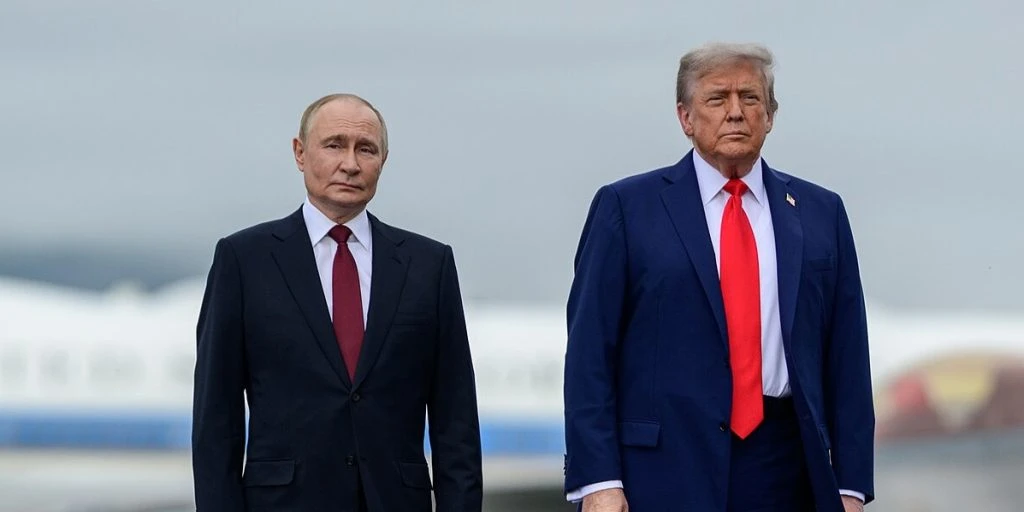
Russian President Vladimir Putin has said Moscow is willing to continue respecting the treaty’s limits for another year if Washington does the same. US President Donald Trump has declined to commit, saying any future agreement should also include China.
A White House official said Mr Trump wants to preserve limits on nuclear weapons but also bring Beijing into negotiations, adding that the president would decide “on his own timeline”.
China has repeatedly rejected such proposals, arguing that its nuclear arsenal remains far smaller than those of the US and Russia, even as it continues to expand.
Heightened risks
The Kremlin has warned that the absence of limits would make the world “more dangerous”, a view shared by many arms control advocates. They argue that without caps or inspections, mistrust and miscalculation could increase.
Analysts say the loss of predictability could encourage governments to plan for worst-case scenarios, potentially expanding their arsenals to demonstrate strength or gain negotiating leverage.
Expert alarm
Later assessments from arms control specialists underline the scale of the risk. Daryl Kimball, executive director of the Arms Control Association, said the treaty’s expiration would, for the first time in around 35 years, allow both sides to increase deployed nuclear weapons.
Kimball warned this could open the door to “an unconstrained, dangerous three-way arms race” involving not only the US and Russia but also China. Kingston Reif of the RAND Corporation echoed those concerns, saying the end of transparency could fuel instability and competitive buildup.
Both experts cautioned that the world may be entering a far more volatile phase of strategic competition than at any point in recent decades.
Sources: The Express



