
 Kenneth Glad
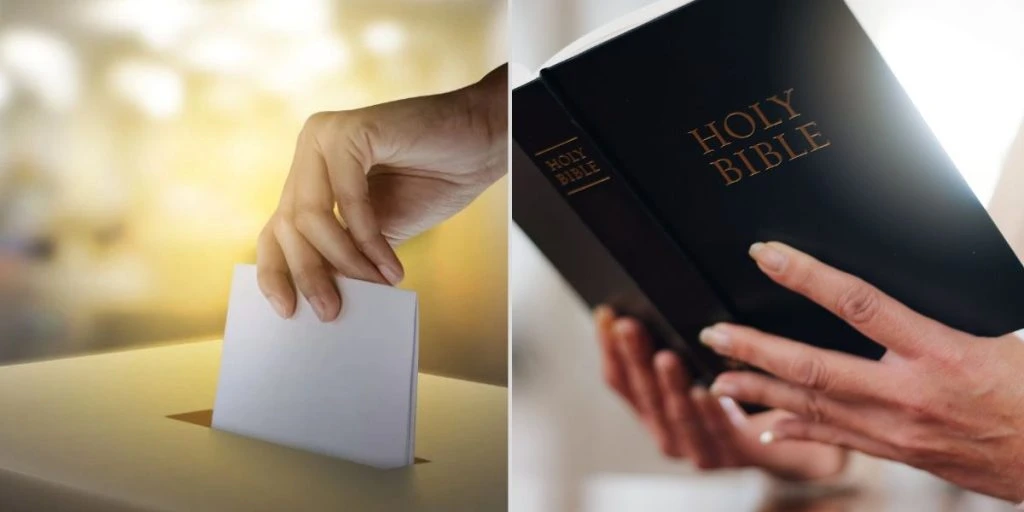
Political campaigns often count on reliable voting blocs when major election cycles draw near. Yet when daily living expenses climb and families feel the squeeze, even deep-rooted political loyalties can start to fray.


Republicans are increasingly worried that White evangelical Christians might stay home for the upcoming midterms. Faith leaders warn that campaign strategists are taking this core constituency for granted.
CNN reports that one conservative pastor in Texas has expressed deep concern over the lack of ground strategy.
“I am not aware of any party machine that is at work right now to turn out evangelical voters,” the pastor told CNN on the condition of anonymity to freely discuss the risks for Republicans in the election. “Maybe they are assuming they are going to show up, but that is a dangerous assumption.”
While White evangelicals make up 13% of the overall population, high voting frequency typically boosts their presence to around 20% of all actual ballots cast. Eight in ten voted for Donald Trump in recent presidential cycles. Even so, rising grocery bills and high gas prices are putting that dedication to the test.


Grassroots turnout efforts
National party committees are doing little specialized outreach, leaving local churches and external organizations to fill the gap. The Faith and Freedom Coalition is stepping in to mobilize drop-off voters who rarely participate outside presidential cycles.
Former Republican director Chad Connelly has been traveling across 20 states to brief church leaders directly on pulpit mobilization.
“The evangelical turnout is really a difference maker,” he told CNN. “I don’t think the party has ever done enough in this realm.”
At the same time, Democrats are mounting their own aggressive counter-push. They are fielding candidates with deep faith backgrounds, including seminary students and local ministers, to appeal directly to churchgoing voters.
Battling for faith
In Texas, the Senate contest between Attorney General Ken Paxton and Democratic contender James Talarico brings this cultural clash into sharp focus. Talarico, a seminary student, frames progressive ideas around Christian values, while local conservative pastors warn congregants against his theological views.
Republicans routinely dismiss these Democratic candidates as “Pastors in Name Only.” Still, Democrats believe a message focused on community care can reach religious voters who feel alienated by partisan fighting.
Experts note that while evangelicals rarely switch parties, other Christian demographics might move. Robert P. Jones of the Public Religion Research Institute told CNN that Republican strategists should keep a close eye on White mainline Protestants and Catholics. A shift of just ten points among those groups could decide critical toss-up races nationwide.



