
 Kenneth Glad
When global leaders step up to the podium, they usually talk about shared values and peaceful cooperation. But sometimes a speech rips up the traditional diplomatic playbook and offers a much blunter view of how the world works.

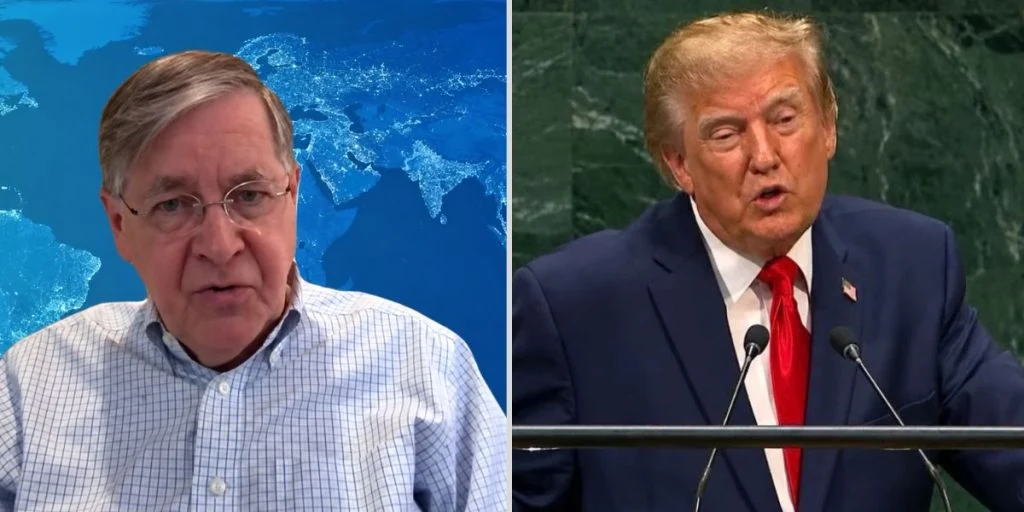
Donald Trump’s United Nations speech on Tuesday revealed exactly how his administration views global relations, according to David Satterfield, the director of Rice University’s Baker Institute for Public Policy, who told TIME that the president believes “force is the only currency of value.”
Instead of traditional negotiations, the White House relies on a brutal historical logic. “The strong do as they will and the weak suffer as they must,” Satterfield said, explaining the core of the strategy.
In his view, military strength serves as much more than just a defensive shield. The president deploys extreme economic pressure and armed conflict as leverage, using that weight to force rivals into total submission.
Shaping the outcome
The director noted that the basic ideas in the U.N. address are not exactly fresh, calling the speech mostly “old wine rebottled” for the president. Yet those familiar concepts now carry heavier consequences.


Satterfield pointed out a crucial shift in how these aggressive ideas play out today. The administration uses massive coercion to bend political realities to its will.
The president himself leaned into this tough image during the high-profile assembly. Before the global body, Trump claimed he gets actual results while other politicians just talk.
“While others have spoken of peace, I have made peace,” Trump told the diplomats. “While others have ignored threats, I have confronted them.”
The real world test
The strategy of extreme pressure faces a massive test in the Middle East. While Trump threatened to “annihilate the Islamic Republic” if they refuse a deal, experts see severe limits to this aggressive style.
Satterfield’s analysis aligns with observations from other foreign policy specialists. Even with heavy economic isolation and military strikes, forcing a political surrender remains incredibly difficult.
So far, the blunt approach has created intense friction. Not only Iranian, but also Cuban delegates actually walked out of the U.N. gathering during the president’s speech.
The administration clearly hopes that crushing pressure will eventually lead to a lasting victory. But observers like Satterfield suggest a different reality. Using force as an exclusive tool makes true diplomacy nearly impossible.
Source: TIME



