
 Kenneth Glad
Standing on solid ground feels comfortable until the earth begins to shift underfoot. For decades, nations across the globe relied on a single superpower to guarantee their safety and trade. That trust is gone. Now, sudden foreign policy shifts are pushing old allies to find new partners.

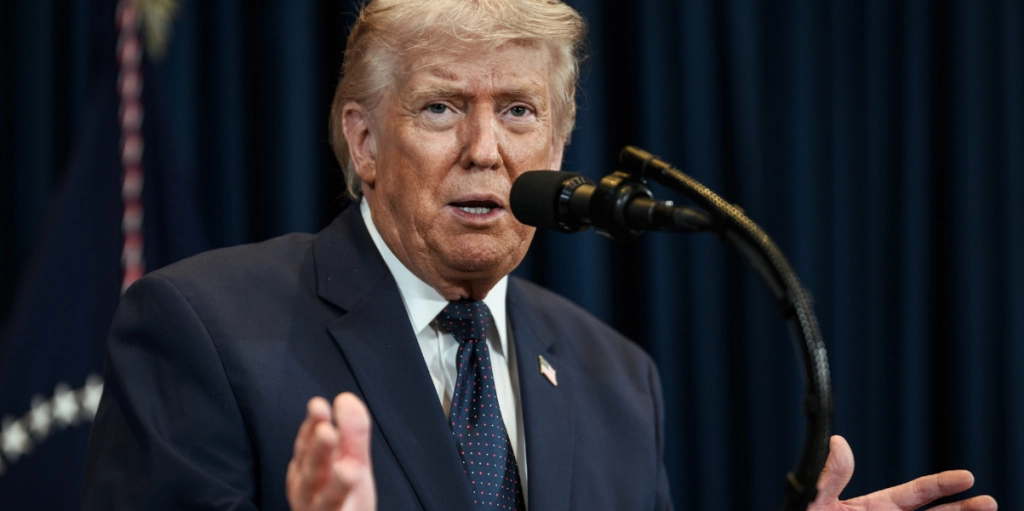
Around the world, middle-tier powers are quietly building new networks to protect themselves. Fearing the unpredictable nature of President Donald Trump’s foreign policy, governments are no longer waiting to see what Washington does next. Instead, they are forming fresh diplomatic, economic, and military ties without relying on traditional American leadership.
The trend is reshaping global politics at a startling pace. Groupings where the United States is absent, from BRICS to the Shanghai Cooperation Organisation, are thriving and deepening. Meanwhile, traditional Western forums spend much of their energy simply trying to prevent public fallout or an abrupt walkout by Washington.
With potential legislative gridlock in Congress pushing President Donald Trump to focus heavily on disruptive international moves, allies feel compelled to hedge their bets. As former British foreign policy adviser John Bew noted, according to The Guardian, the world is witnessing the creation of “a sub-threshold international order”.
Searching for safety
This push for independent security, writes the British newspaper, is especially clear in the Middle East. On August 7, Turkey, Pakistan, and Saudi Arabia signed a landmark defensive pact in Mecca, breaking decades of precedent. Gulf nations realized that their heavy reliance on Washington had left them exposed. Rather than providing deterrence, foreign military bases in the region became prime targets during recent conflicts.


Trust eroded further when Washington permitted an attack inside Qatar’s capital city, Doha. As Majed al-Ansari, Qatar’s foreign ministry spokesperson, warned: “Gulf nations cannot rely solely on the US and other international alliances for their security. Self-sufficiency when it comes to security is the only way forward.” No longer content under the American umbrella, these powers chose to build their own shield.
Asian nations face a remarkably similar dilemma. Panic spread through Seoul after Washington abruptly scaled back the annual Ulchi Freedom Shield joint military drills from eleven days down to five. The American leadership cited high costs and a desire to negotiate with North Korea, leaving traditional partners feeling sidelined.
The unexpected move has reignited serious debate in South Korea and Japan about pursuing independent nuclear weapons. Beijing sees its chance. Sensing an opening in the region, China is stepping in with bold promises of reliable long-term cooperation.
A new reality
In Europe, defense ministers are exploring fresh ways to fortify their own backyard. Concerns over Moscow’s hybrid warfare and fears that Washington may abandon European security are driving a swift shift toward self-reliance.
Key powers like Germany, France, Italy, Poland, and the United Kingdom are now looking at a Europeanized NATO to handle regional threats on their own. Since 2022, military budgets in Poland, the Baltic states, and Scandinavia have surged by over 70 percent, with some nations more than doubling their defense spending.
The friction extends right up to the American border as Canada confronts an asymmetric trade dispute with its neighbor. Prime Minister Mark Carney has actively sought closer economic and political ties with the European Union to reduce reliance on Washington.
Writing about Canada’s changing position, former UN ambassador Bob Rae observed, according to The Guardian, that “Canada’s nextdoor neighbour is a predatory hegemon” that “tears up treaties, makes a mockery of international law”.
Source: The Guardian



