
 Kenneth Glad
A long-sealed part of Hungary’s past is edging back into view. With a new leadership preparing to take office, questions once left unanswered are resurfacing.


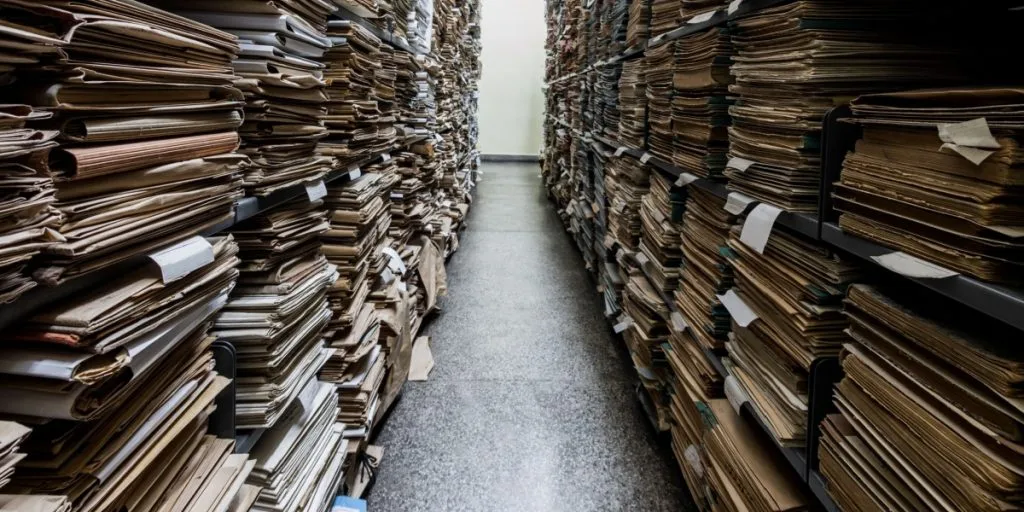
The archives of Hungary’s communist-era secret police have sat in a grey zone for decades.
They are widely believed to contain records of surveillance and the names of those who cooperated with the system before 1989.
Access has been uneven. As reported by Reuters, individuals can request their own files, but anything involving others has largely remained off-limits.
That gap has mattered. Over the years, bits of information have leaked into the press, sometimes stirring controversy, but never settling the bigger picture.


The result is a lingering sense that parts of the past are still being managed rather than examined.
Pressure for openness
Now the political shift is changing the tone. After Peter Magyar’s election win, his Tisza party has signalled a break from earlier approaches, Reuters noted, tying transparency to broader institutional reforms.
Balint Ruff, who is set to head the prime minister’s office, addressed the issue directly in an interview with Valasz Online:
“From the first day, the ministry will try to disclose the agent files as soon as possible, with the lack of national security interests as possible.”
He added that the government’s role would be to enable independent research rather than control it:
“This is a historical task, but I will be able to help to ensure that the new government provides an opportunity for research without political pressure.”
Historian Krisztian Ungvary has long warned about the risks of keeping such material closed.
According to Reuters, he said: “The past of public figures is not public, they will constantly be vulnerable to blackmail by those with access to information about their past.”
Reform beyond history
Hungary’s approach stands out in the region. While some neighbouring countries chose early disclosure to limit political pressure tied to old networks, Hungary kept tighter control over the records. That decision still echoes today.
The archive debate is unfolding alongside other priorities. Reuters writes that the incoming government also wants to recover public money lost to corruption and unlock EU funds frozen over rule-of-law concerns, including disputes about judicial independence.
Those goals are connected, even if not always stated outright. Opening archives could strengthen credibility at home and abroad, especially as negotiations with Brussels continue.
It’s not just about history. It’s about trust.
Sources: Reuters, Valasz Online



