
 Lauge Risom Koch
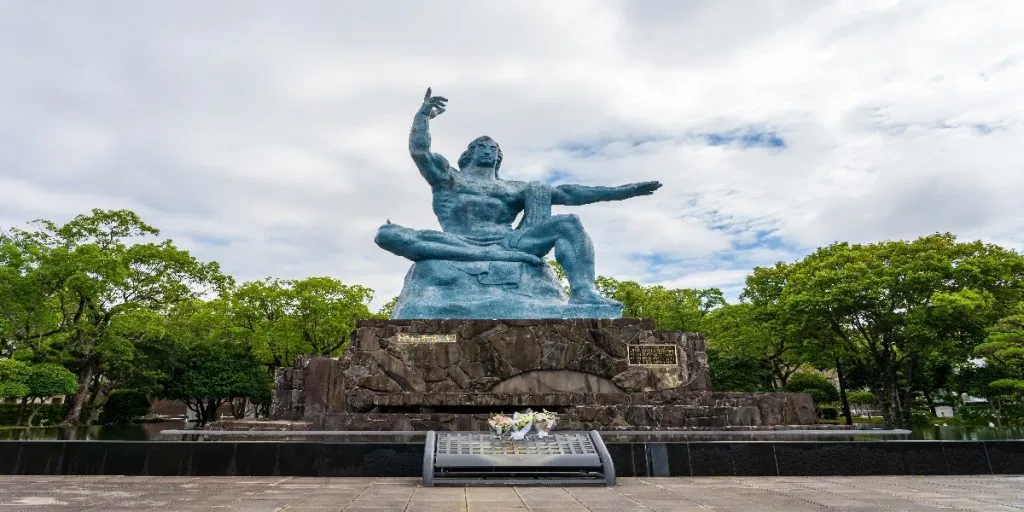
During the 81st anniversary of the Nagasaki atomic bombing, city officials heavily criticized the national government for its shifting stance on nuclear deterrence.


Nagasaki recently commemorated the 81st anniversary of the devastating United States atomic bombing. During the solemn ceremony, city officials strongly condemned the growing global reliance on nuclear deterrence. This emotional memorial coincided with national political debates regarding the country’s future defense policies.
Remembering the tragic attack
The tragic attack on Nagasaki occurred on August 9, 1945, and claimed approximately 70,000 lives. According to a report by AP News, this devastating strike happened just three days after a similar bombing destroyed Hiroshima. The overwhelming destruction eventually forced Japan to surrender and ended World War II.
Representatives from more than 90 countries gathered at the local Peace Park to honor the victims. Attendees observed a poignant moment of silence at the exact minute the plutonium bomb detonated. The solemn memorial served as a stark reminder of the unprecedented horrors caused by nuclear warfare.
The number of living survivors from these historic attacks continues to decline rapidly. Currently, just over 91,000 survivors remain alive to share their harrowing personal experiences. With an average age exceeding 86 years, these individuals worry that memories of the tragedy are fading.


Condemning nuclear deterrence
During the anniversary event, Mayor Shiro Suzuki delivered a powerful speech against modern nuclear strategies. He explicitly argued that the mere possession of these weapons dramatically increases the risk of global war. The mayor firmly rejected the popular political theory that nuclear arsenals help deter potential attackers.
Suzuki described nuclear weapons as an absolute evil that can never coexist with human civilization. He warned international leaders that relying on these destructive arsenals creates an incredibly fragile security environment. As noted by AP News, the mayor urged all nuclear states to face this dangerous reality immediately.
Furthermore, Suzuki directed specific demands toward his own national government regarding future defense strategies. He insisted that Japanese leaders must strictly uphold the war-renouncing provisions of their national constitution. The mayor also demanded that officials attend the upcoming review conference for the international nuclear prohibition treaty.
Shifting national defense policies
This anniversary arrives as Prime Minister Sanae Takaichi considers major revisions to national defense policies. Speculation is growing that her administration might eventually allow foreign nuclear weapons into the country. Such a controversial move would directly violate the nation’s long-standing postwar non-nuclear principles.
The prime minister attended the memorial ceremony but remained notably ambiguous about these fundamental defense rules. She stated her government is taking a highly pragmatic approach toward ensuring national security. According to AP News, Takaichi explicitly avoided mentioning the global treaty that bans nuclear weapons outright.
This perceived shift in government policy has deeply frustrated many aging survivors of the atomic bombings. These individuals have strongly criticized the current administration for its insincere support of nuclear disarmament. Growing fears about a potential military escalation have even prompted organized protests across several affected cities.



