
 Kenneth Glad
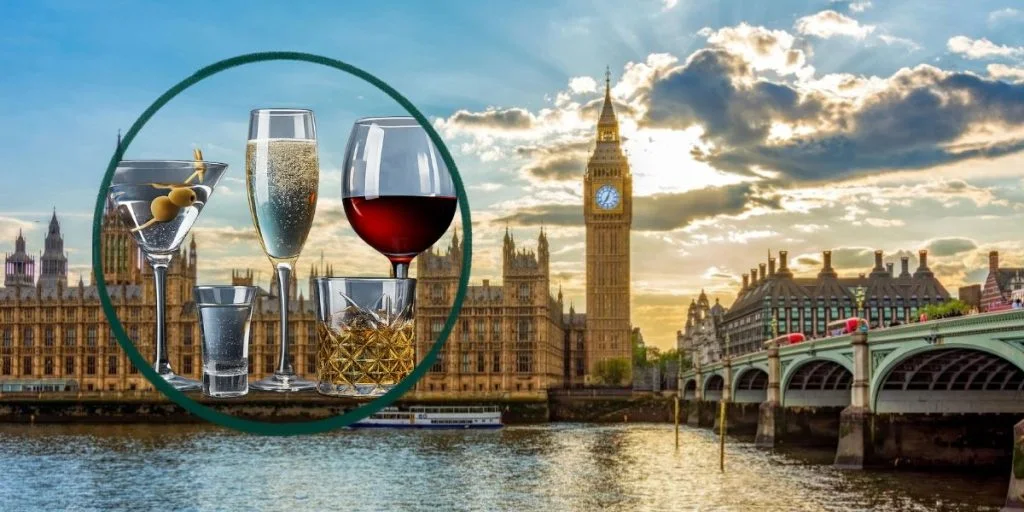
New research has raised concerns about conduct, staff welfare and drinking during the working day. The findings have renewed debate over whether existing safeguards are sufficient.

MPs and parliamentary staff reported harassment, disrupted work and pressure to drink in an Institute of Alcohol Studies report calling for a formal workplace policy at Westminster.
The study drew on a survey of 191 MPs and parliamentary staff, supported by 22 detailed interviews conducted over a year. Eight percent of respondents said another person’s drinking had caused them a negative workplace experience during the previous six months. The proportion rose to 13% among staff based at Westminster.
Participants described unwanted sexual attention, harassment, insults, humiliation and threatening behaviour. Seventeen percent said their work had been affected by a colleague who was hungover or under the influence.
Uncertainty about reporting procedures was also widespread. Seventy percent of those surveyed either did not know or were unsure how to raise concerns about a colleague’s drinking. The finding suggests that reporting procedures are unclear to a large proportion of MPs and parliamentary staff.


Some junior staff, particularly women, said they felt pressure to drink at networking events where relationships with senior colleagues could affect career opportunities. The report also recorded concerns that MPs and staff sometimes used alcohol to cope with loneliness and the strain of parliamentary work.
One MP interviewed for the IAS report said: “If I wouldn’t operate heavy machinery or drive a car, why should I legislate the laws of the land?”
Offers of alcohol remain common
Offers of alcohol were far more common at Westminster than in constituency offices. Forty-two percent of MPs and 29% of staff working on the parliamentary estate said they were offered alcohol at a meeting or event every week. The equivalent figure among constituency staff was 1%.
The difference suggests that drinking is linked more closely to the working culture of the parliamentary estate than to political employment generally.
Interviewees recalled alcohol being available at breakfast events, while one staff member said: “No other workplace I’ve had produces its own wine.”
The IAS report did not call for alcohol to be banned. Its recommendations included limiting the routine provision of free drinks during the working day, making alcohol-free options the standard at daytime events and improving confidential advice for people seeking help.
Report calls for change
Dr Beccy Cooper, the MP for Worthing West who wrote the report’s foreword, said the findings offered Parliament an opportunity to improve its workplace culture.
“This report is a wake-up call, but also an opportunity. Westminster is changing for the better, and this is our chance to make sure our own workplace lives up to the standards we ask of everyone else. A modern Parliament should be one that supports the health and wellbeing of everyone who works here.”
The proposed changes could reduce pressure on staff to drink while taking part in professional networking. Clearer reporting procedures could also help employees raise concerns without fearing harm to workplace relationships or career prospects.
In a response published by the Daily Express, a UK Parliament spokesperson said alcohol was generally purchased by event organisers or attendees. The spokesperson added that confidential support was available, alcohol-free choices had been expanded and venues could refuse service to anyone who was intoxicated or likely to become intoxicated.
The IAS findings nevertheless leave Parliament facing a broader question: whether practices long treated as part of Westminster life are compatible with the standards expected in a modern workplace.
The proposed policy would not end drinking on the estate, but it would place clearer limits around when alcohol is offered, how staff are supported and how concerns are reported.
Sources: Institute of Alcohol Studies, Daily Express



