
 Lauge Risom Koch
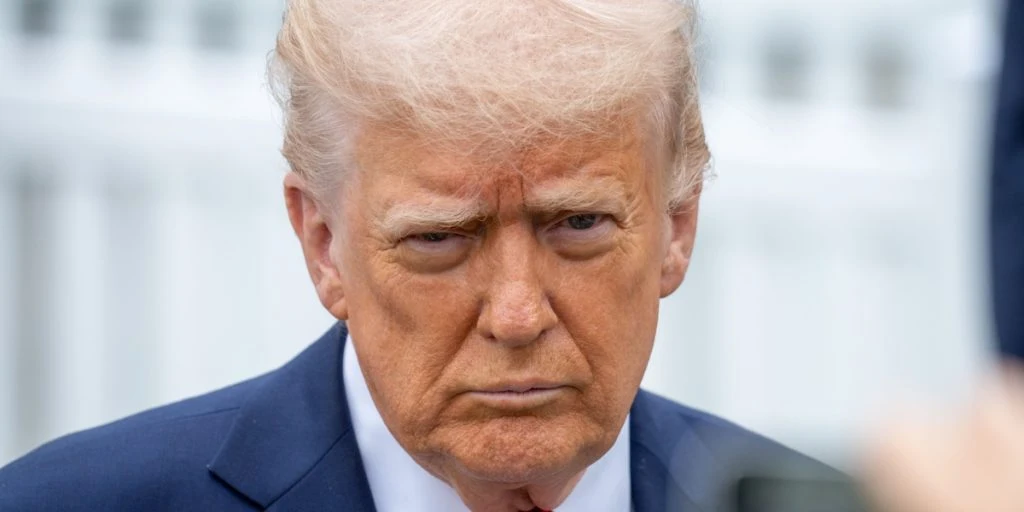
MS NOW host Nicolle Wallace pointed out that Donald Trump confirmed a report about military shortages by threatening to jail the leakers.

A television host recently pointed out a contradiction in a statement by Donald Trump. The controversy stems from a social media post where the president denied reports of a munitions shortage. By threatening to jail the sources of the information, he gave credibility to the original claims.
Denying the missile shortage
The dispute began when a news agency reported that the United States is running low on long-range missiles. This shortage comes at a critical time as the nation navigates a war with Iran. According to a report from HuffPost, Trump quickly took to Truth Social to dispute the claims.
In his online response, the president insisted that the military possesses massive amounts of munitions. He assured the public that weapons are being manufactured and shipped as needed. The message was designed to project strength and reassure citizens about the nation’s readiness.
However, the post did not stop at simply denying the supply chain issues. Trump issued a warning that authorities are hunting down the leakers of these statements. He declared that his administration would seek long-term jail sentences for anyone involved in sharing the information.


Revealing the truth
During her Thursday broadcast, MS NOW host Nicolle Wallace analyzed the president’s response to the report. She pointed out that his attempt to refute the reporting ended up confirming the facts. As noted by HuffPost, the host found humor in the contradiction of the official denial.
Wallace explained the logic behind prosecuting government insiders who speak to the press. She noted that pursuing criminal charges for a leak generally implies that the published information is accurate. If the reports were fabricated stories, the government would have no legal grounds to prosecute the sources.
The host emphasized that spreading lies is not punishable with jail time under these circumstances. By vowing to imprison the leakers, the president admitted that the information they shared was genuine. Consequently, his effort to deny the reality while punishing the whistleblowers ultimately exposed the truth.
The broader implications
This contradiction highlights communication struggles within the administration regarding military operations. The Reuters report raised concerns about the sustainability of the nation’s missile stockpiles. Confirming such shortages paints a troubling picture of the logistical challenges facing the armed forces.
The president’s focus on hunting down sources also reveals a frustration with government leaks. Threatening imprisonment serves as a tactic aimed at silencing officials who might share unfavorable realities. These measures often create a chilling effect among public servants managing national security.
The television segment underscored how quickly political messaging can unravel under logical scrutiny. As the conflict with Iran continues, accurate information about military readiness remains crucial for public understanding. The battle between official denials and journalistic reporting will likely continue to shape the political landscape.



