
 Kenneth Glad
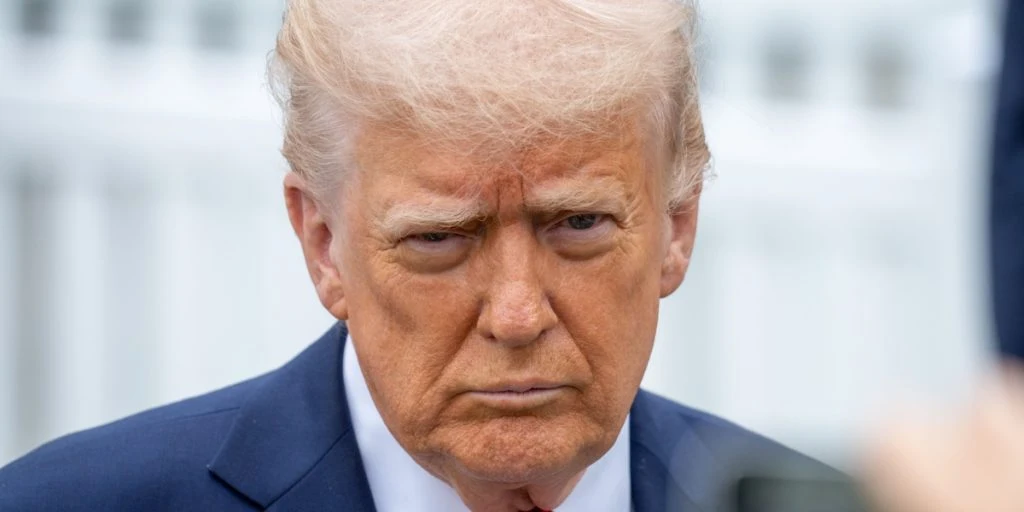
Midterm elections often force political candidates into tricky balancing acts. Aligning too closely with top party leaders can carry unexpected risks on the campaign trail, leaving local contenders searching for creative ways to keep voters on their side.


When Donald Trump urged Dallas rallygoers to pretend his name was on the midterm ballot, he expected unity. Instead, Republican candidates across the country are choosing a very different path.
Many contenders have scrubbed Trump’s photos and endorsement mentions from official campaign sites, according to TV 2. Others are openly defying key administration policies.
Iowa Representative Mariannette Miller-Meeks voted to curb military action in Iran: “I will not hold our soldiers captive in a war without a clear end date, while Iowa citizens are still paying more at the gas pump.”
Slipping poll numbers explain the shift. Aarhus University political science professor Derek Beach noted to TV 2 that candidates want distance from an underperforming president.


Calculated silence
Broad public frustration is mounting. A poll by CNN found that only 25 percent of Americans support the military action in Iran.
Internal party backing is dropping too. Reuters polling shows, writes Forbes, that Republican support for Trump fell from 86 percent in January to 73 percent.
Opposing the president used to mean severe retaliation, and Trump recently branded Marjorie Taylor Greene a “traitor” and a “raving lunatic” when she broke ranks before leaving Congress, says Fox News.
Yet current pushback gets a muted response. Florida Representative Maria Elvira Salazar ran ads declaring immigration policy “has gone too far.” Trump said, according to Newsweek, she was “a bit too soft on immigration policy,” but kept his endorsement intact.
Looking beyond Trump
Attacking fellow Republicans carries immense risk before midterms. Criticizing candidates in competitive districts could keep core voters home and flip tight races.
“I think we are going to see a desertion,” Beach told TV 2. He noted candidates expect little benefit from backing a term-limited leader.
Post-election attention will quickly pivot toward 2028. “The Republican Party will increasingly focus on who the successor will be, and which direction the party should go when Trump is in the past,” Beach said.
The professor predicted party members will soon “criticize Trump like we have never seen before.”
Sources: TV 2, Forbes, CNN, Newsweek, Fox News



