
 Anna Hartz
Large political events in Washington often bring together many of the most powerful people in the United States.

They also raise quiet but serious questions about safety and leadership continuity. Even when nothing major happens, security experts still think about worst case scenarios.
The order of succession
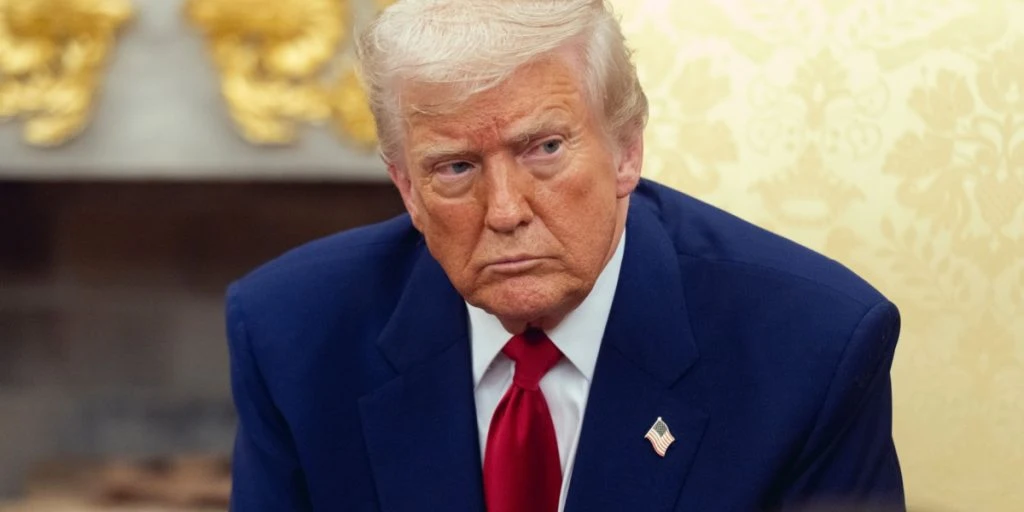
That became more visible after a recent attack at a black tie gala in Washington. The event was attended by Donald Trump and other senior officials. No one was killed. But the incident renewed attention on what would happen if top leaders were suddenly unable to serve.
US law sets out a clear order of succession. It defines who would take over the presidency if the president cannot continue in office, writes Reuters. The system is built to avoid confusion during emergencies.
At the top of that list is the vice president. Under the Constitution and the 25th Amendment, JD Vance would become president if Trump were unable to serve. He would finish the term and also choose a new vice president.


If both the president and vice president were unable to lead, the next in line is the speaker of the House. That role is currently held by Mike Johnson. After that comes the president pro tempore of the Senate. This position is currently held by Chuck Grassley, who is 92 years old.
The designated survivor
The line then continues through cabinet members. It follows the order in which their departments were created. The secretary of state is first among them. That position is held by Marco Rubio. After that comes the treasury secretary and the defense secretary.
The list continues through other departments. It includes justice, interior, agriculture, commerce, labor, and others. One seat, the labor secretary, is currently vacant. The final position in the order is homeland security.
There is also a practice known as the designated survivor. One official is chosen not to attend major events where many leaders gather. This is done so at least one senior leader remains safe in case of disaster. The practice is not required by law but has been used for decades.
Large events like this are usually social in nature. But when many officials appear in one place, security planning becomes more complex. Even a single incident can raise questions about how leadership would continue.



