Anna Hartz


Old manuscripts are much more than ink on leather. The pages serve as unexpected biological time capsules from ordinary farms of the distant past.

Centuries ago monks spent quiet lifetimes copying sacred words by hand. They preserved philosophy and religious stories on sheets of dried animal hide known as parchment.
For generations scholars read these ancient volumes purely for their written text. Today modern science looks at the physical books through a very different lens.
A time capsule
An international team of researchers recently went hunting for ancient viruses inside medieval libraries. University College Dublin detailed the remarkable findings in a new report.
Monks crafted parchment predominantly from the skins of cattle and sheep and goats, writes Videnskab. The scientists asked a simple question: could these prepared animal skins still retain biological clues from livestock that were sick centuries ago? The surprising answer was yes.


Experts discovered well-preserved fossil DNA from sheep and goat pox locked inside multiple historical manuscripts. One major sample came from the famous York Gospels.
Monks produced that revered volume nearly one thousand years ago in the early Middle Ages. The genetic traces do not contain any living virus.
Instead researchers found degraded fossil fragments belonging to a chordopoxvirus. This specific microbe causes sheep and goat pox.
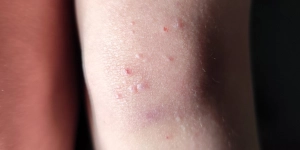
The virus causes miserable suffering in livestock. Infected animals break out in painful skin rashes and severe boils. Their faces and eyes swell up dramatically.
Genetic proof
The discovery reveals how long the pathogen has troubled agriculture. Scientists combined the manuscript material with viral DNA extracted from Bronze Age sheep teeth.
That work allowed the team to trace the infection back three thousand seven hundred years. It offers the first genetic proof that the disease tormented European livestock long before modern times.
The pathogen poses no health danger to human beings. It can pass quietly to cattle without causing active illness. Sheep and goats face a much grimmer fate.
Mortality rates among young lambs reach between fifty and eighty percent. The contagion remains a serious agricultural threat across southern Europe and Africa and Asia today. Now old animal hides are helping experts track that ancient enemy.