
 Asger Risom

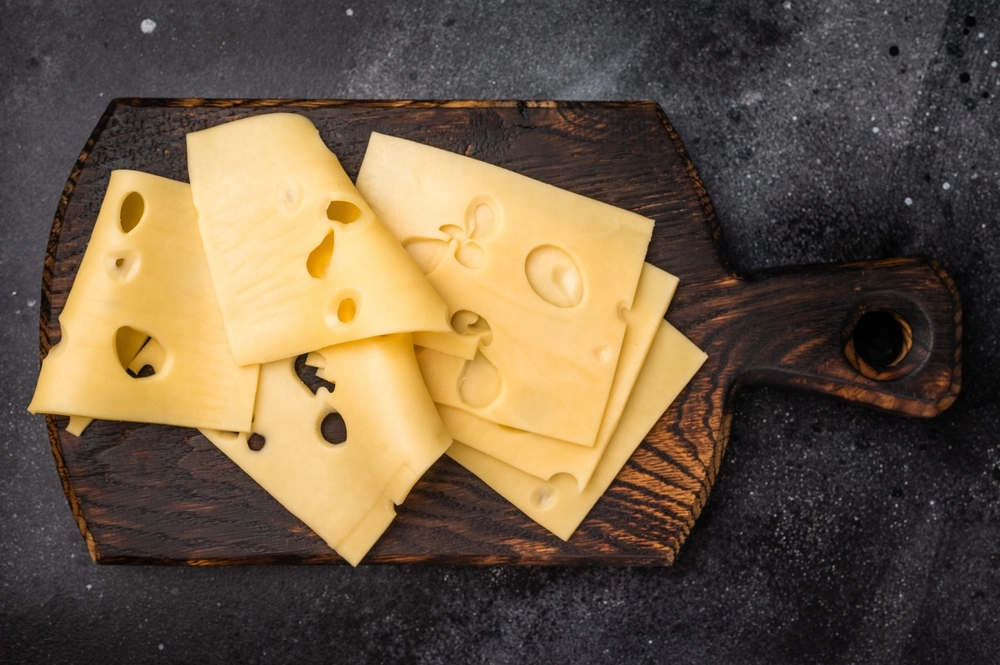
Vegan cheese has historically struggled to melt or stretch because it lacks the core proteins found in real milk. Using a process called precision fermentation, food scientists are now ‘programming’ microflora to brew biologically identical whey and casein without involving a single cow. This FDA-approved breakthrough allows companies to produce real, stretching dairy while completely bypassing the massive environmental toll of industrial agriculture.


It might sound silly, but vegan cheese has a serious structural problem. If you put a slice of it on a hot burger, it usually just sweats and sits there refusing to melt. That is because most dairy alternatives are just an emulsion of coconut oil, potato starch, and artificial flavorings pretending to be cheddar.
The magic ingredient missing from those plant-based alternatives is casein, a highly specific protein that allows real cheese to stretch. For a long time, the only way to get that biological building block was to extract it from the milk of a methane-producing cow. Now, food scientists have figured out how to completely bypass the animal.
Now, when you think of brewing, cheese might not be at the top of your list—but it’s a very real thing.
Instead of trying to fake the texture of dairy with plants, a new wave of food startups is brewing real milk proteins from scratch. By using a process called precision fermentation, they are literally programming microflora to produce cow-free whey and casein. The result is actual, biological dairy that happens to be entirely vegan.


Hacking the dairy genome
The science behind this breakthrough borrows heavily from the craft brewing industry. When a brewery makes a beer, they feed sugar to yeast, and the yeast naturally excretes alcohol. Precision fermentation uses that exact same biological mechanism, but it changes the genetic instructions.
Scientists take the specific DNA sequence that tells a cow how to produce milk proteins and insert it directly into a strain of microflora. When those reprogrammed microbes are placed in a massive fermentation tank and fed plant sugars, they start churning out dairy. They effectively act as microscopic cows operating at peak efficiency.
Once the fermentation process is complete, the resulting liquid is filtered and dried into a fine powder. That pure protein is biologically identical to the whey and casein you would get from a traditional dairy farm. It just happens to be made without a single hoof ever touching the ground.
Passing the safety test
Because this protein is chemically indistinguishable from regular milk, it behaves exactly like the real thing in the kitchen. It allows ice cream to freeze into a creamy texture and gives mozzarella the structural integrity to stretch across a pizza. It also triggers the exact same allergies for anyone sensitive to dairy proteins, even though the final product is entirely lactose-free.
Before this cow-free dairy could hit grocery store shelves, it had to prove it was completely safe for human consumption. Companies spent years providing safety data to the federal government to secure their Generally Recognized as Safe (GRAS) status. As highlighted by Flavorist, the FDA has now thoroughly vetted and approved precision-fermented dairy proteins for everyday food production.
Getting that federal stamp of approval was the massive regulatory hurdle holding the industry back. Now that the government agrees these brewed proteins are safe, massive commercial food brands are eagerly signing contracts to use them. The era of eating rubbery fake cheese is rapidly coming to an end.
Rebuilding the food system
The environmental math behind brewing dairy instead of farming it is staggering. Traditional industrial agriculture requires thousands of acres of land, millions of gallons of fresh water, and generates massive greenhouse gas emissions. A fermentation facility can produce the exact same amount of protein in a fraction of the space.
By shifting dairy production into stainless steel brewing vats, we can dramatically reduce the need for factory farming. There are no animals to feed, no massive waste lagoons to manage, and no ethical concerns about livestock treatment. It is a highly efficient, closed-loop system that drastically shrinks the carbon footprint of your morning coffee.
We are standing on the edge of a massive shift in how humanity sources its daily nutrition. We do not have to convince people to stop loving cheese to save the planet. We just had to invent a slightly smarter way to brew it.



