
 Kenneth Glad
Every year, a select group of thinkers changes how we see the hidden forces behind money, work, and survival. As the world waits for the final major academic honor of the season, a few big ideas are taking center stage. The answer arrives today, and the race is wide open.


The Nobel Prize in Economics stands out from the rest of the famous awards handed out each autumn.
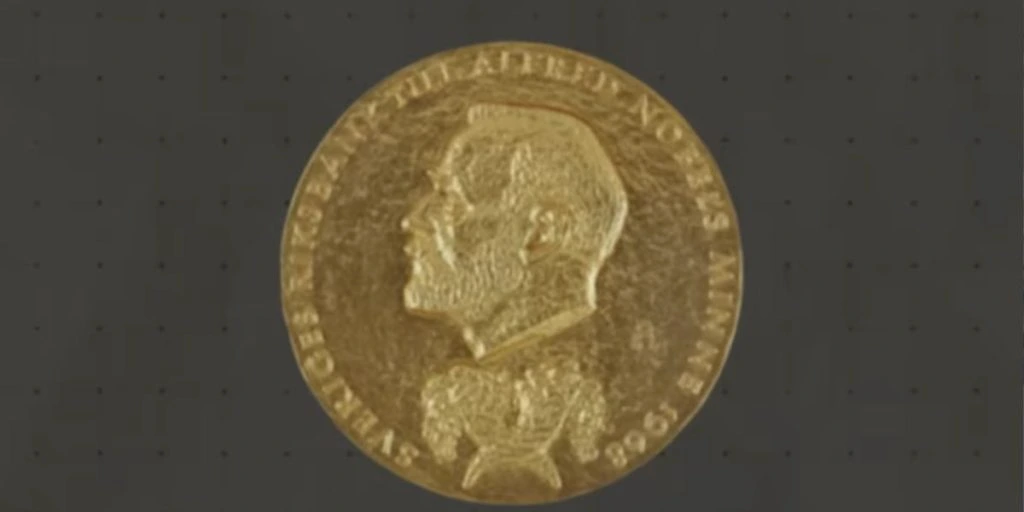
Unlike the five original honors established by Alfred Nobel in his 1895 will, this award arrived decades after his death. Sweden’s central bank created it in 1968. It carries the rather mouth-filling title Sveriges Riksbank Prize in Economic Sciences in Memory of Alfred Nobel, according to science outlet Videnskab.
Though established much later, the Nobel Foundation manages it on equal footing with the classic prizes. Today at 11:45 AM, the panel names the new winner as several leading theories compete for the spotlight.
Tracking the ultra rich
One top contender focuses on the gap between the wealthy and everyone else. Economists Thomas Piketty and Emmanuel Saez have spent years tracking how massive wealth concentrates in fewer hands.


Their work popularized the concept of the top one percent. Together with global colleagues, they publish the World Inequality Report to map this shifting landscape.
Awarding them would build on recent trends. Just last year, the committee recognized research into why economic gaps exist between entire nations.
Survival of the fittest
Another big theory turns to nature for inspiration. Researcher Sidney G. Winter helped build the field of evolutionary economics, which views companies much like biological species.
In his view, businesses adapt, struggle, and adapt again in an unpredictable market. Those with the right strategies survive, while others simply disappear.
This framework shows that people and firms rarely act with total rationality because no one can predict the future with complete certainty.
Ruling the digital web
A third major direction centers on the modern online world. Economists Susan Athey and Hal Varian are prime contenders for their deep dive into digital markets.
They study how fast moving information and complex algorithms shape consumer choices across global networks.
Their work helps explain how tech platforms create entirely new spaces for trade and redefine how companies compete today.
Source: Videnskab



