
 Jens Asbjørn Bøgen
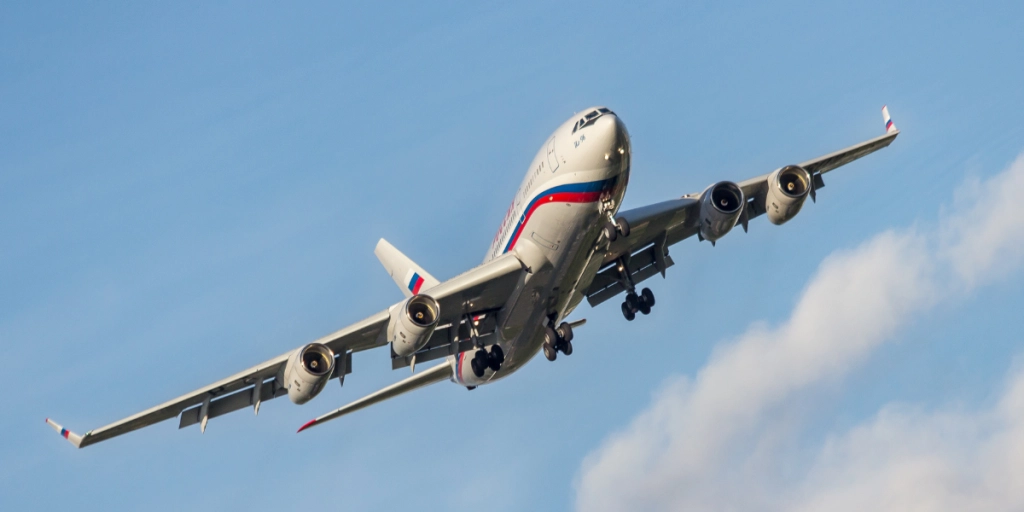
It is unclear if the Russian leader was on the plane.
Ukraine has repeatedly proven that the Russian capital of Moscow is well within Ukrainian strike range, and according to new reports based on flight data, it has even forced a Russian presidential plane to change plans mid-air.
Flight-tracking data from Flightradar24, cited by The New York Times, showed an Il-96 presidential jet bearing registration number 96025 approaching Moscow as incoming drones and small balloons triggered urgent defense warnings near the city.
Within minutes, authorities sealed off every major airport serving the Russian capital.
Unable to touch down, the crew turned the presidential plane north. They diverted to St. Petersburg before flying back to Moscow later that evening.


Mystery over Moscow
The high-capacity jet had departed Turkmenbashi following an international summit in Turkmenistan. Russian leader Vladimir Putin had been photographed stepping off that same aircraft during his diplomatic visit to the Central Asian nation.
However, official records do not confirm whether Putin was actually on board during the diversion.
Kremlin officials have stayed silent about the incident.
Reports from the Russian Telegram channel Novaya Ploshchad noted that four government aircraft faced major delays. Three of those planes were returning from the summit.
The channel reported that such disruption to VIP state flights had not happened since Russia launched its full-scale invasion of Ukraine.
Click to display external content from x,
- You can always enable and disable third-party content.

You agree to display external third-party content. Personal data may be sent to the provider of the content and other third-party services.
Airborne command center
The Kremlin relies on custom Il-96 aircraft. Designed as mobile command centers for major crisis situations, these presidential jets carry advanced defense systems.
Yet even nuclear-ready airborne command centers must abide by standard safety procedures whenever enemy drones swarm into crowded capital skies.
In early September, Ukrainian President Volodymyr Zelenskyy warned that Russian airspace was becoming increasingly unsafe for aviation, telling civilian air travel providers to reconsider travelling through Russian airspace.
He argued that Moscow’s war was effectively closing its own skies while putting international air travel at risk.



