
 Asger Risom

A newly patented Russian defense concept is generating intense discussion online for the peculiar form it gives to armored vehicles.


A newly patented Russian defense concept is generating intense discussion online for the peculiar form it gives to armored vehicles. The system, designed to disrupt FPV drone attacks, covers tanks in branching metal rods that resemble an oversized dandelion.
Social media users have been quick to dissect the idea, questioning both its practicality and its appearance.
Odd new contour
The setup, widely referred to as the “dandelion anti-drone system,” has been compared to the metal spikes used to deter birds from rooftops. Dozens of flexible rods extend outward from the tank, creating a dense barrier meant to collide with incoming drones before they reach the armor.
Descriptions shared on X outline a layered construction. One commentator, AndreiBtvt, wrote that “the tree-like structure comprises multiple tiers,” noting that upper levels use thinner rods while lower tiers rely on heavier ones. He added that the number of rods increases toward the top.


The rods connect through detachable coupling elements, forming a web-like screen around the vehicle.
Blueprint insights
A technical blueprint of the system — recently circulated in Russian forums and later reposted on X — offers additional clarity on its structure.
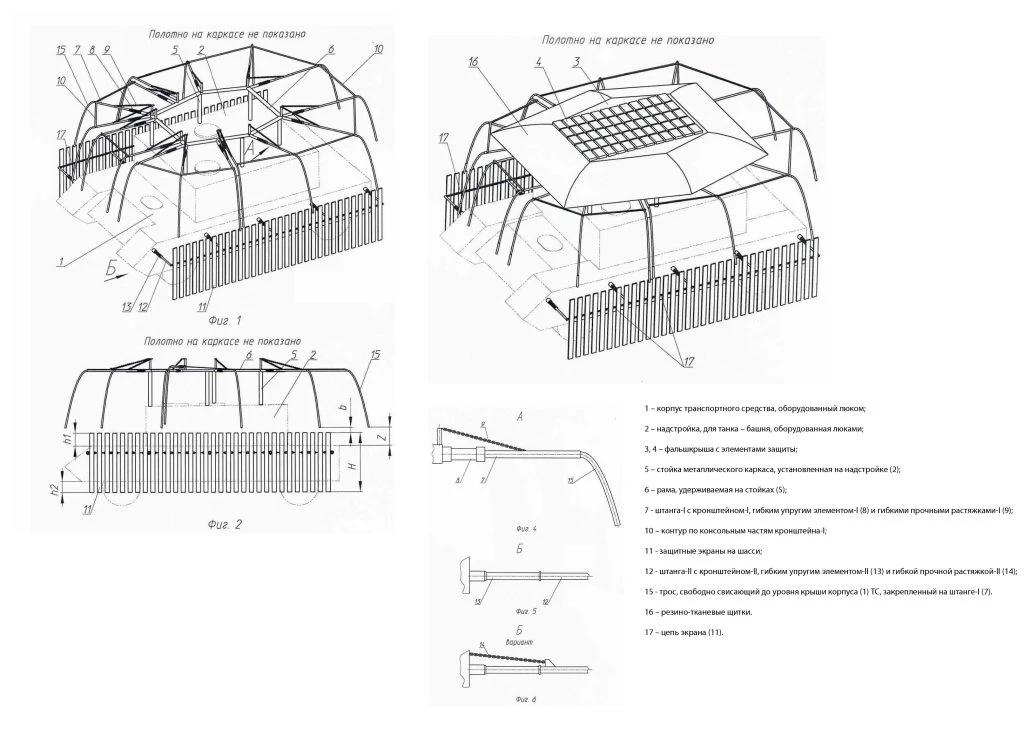
According to the schematic, each tier is arranged to flex on impact, channeling force through the branching network. The layout appears designed to maximize surface contact with small drones while keeping weight distributed across the tank’s exterior frame.
Analysts reviewing the diagram say it reflects an effort to formalize the improvised anti-drone cages already seen on the battlefield, though they caution that visual complexity does not guarantee functional reliability.
Effectiveness in doubt
No examples of the “dandelion” tanks have been observed in Ukraine, but defense watchers expect Russian units to trial the system under combat conditions. Early assessments shared online suggest it could interfere with FPV drones but would not stop guided anti-tank weapons or heavier aerial munitions such as Baba Yaga-style drops.
While opinions on its utility vary, reactions to the look are nearly unanimous: many users describe the modified machines as some of the least aesthetically pleasing vehicles fielded in the conflict.
Sources: X.com



