
 Edith Hejberg
Attenborough has revealed that he gradually changed the way he eats over the years.


Sir David Attenborough has reached his 100th birthday, and the legendary broadcaster is still working, travelling, and making documentaries.
After more than 70 years on screen, people continue to ask how he has stayed active and healthy for so long.
The natural historian says one simple lifestyle change has played a major role in his long life: eating far less red meat.
Even now, Attenborough shows little interest in retiring from the work he still clearly loves.


The diet change he swears by

Attenborough has revealed that he gradually changed the way he eats over the years.
He explained: “I have certainly changed my diet. Not in a great sort of dramatic way.”
The presenter added: “But I don’t think I’ve eaten red meat for months.”
While he says he is not completely vegetarian, he admitted he has “become much more vegetarian” than he ever expected.
Why doctors agree with him

Medical experts have long warned about the risks linked to eating large amounts of red and processed meat.
Research shows that frequent consumption can increase the risk of bowel cancer.
Cancer Research UK says certain chemicals in red meat may damage bowel cells over time.
These include haem, the red pigment in meat, as well as compounds created when meat is cooked at very high temperatures.
The study that raised concerns

A major study published in 2020 found worrying results about red meat consumption.
Researchers discovered that people eating more than 79 grams of red or processed meat each day were 32 percent more likely to develop bowel cancer.
That amount is actually smaller than many people would expect — less than half of a large grilled steak.
The findings encouraged health experts to advise people to cut back where possible.
NHS advice on red meat

Current NHS guidance recommends eating no more than 70 grams of red and processed meat per day on average.
Professor Tim Key, who co-led the major study, said even reducing intake slightly can help lower the risk.
Attenborough’s own eating habits appear to mirror this advice closely.
Rather than following a strict diet trend, he simply made gradual and sustainable changes over time.
Still working at 100
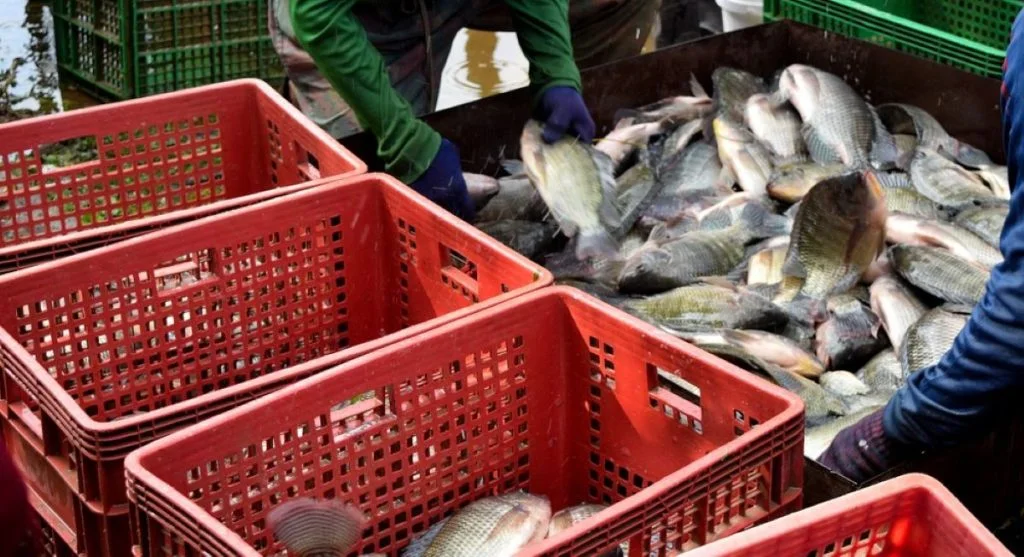
Despite turning 100, Attenborough continues to produce major documentaries.
In 2025, he narrated and appeared in Ocean with David Attenborough.
The documentary highlighted the devastating effects of overfishing and destructive techniques like drag nets and scallop dredging.
The film continued his long-running mission to raise awareness about environmental damage caused by humans.
Why he refuses to retire

Attenborough has spoken openly about why he has no plans to stop working.
He once said: “If I was earning my money by hewing coal I would be very glad indeed to stop.”
“But I’m not. I’m swanning round the world looking at the most fabulously interesting things.”
“It is…such good fortune.”
His passion for discovery remains as strong today as it was decades ago.
The accidental start of a legendary career
Attenborough’s television journey began almost by accident in 1954.
He originally worked behind the scenes as a producer on the BBC series Zoo Quest.
But when the show’s planned presenter became ill, the then 28-year-old stepped in at the last minute.
The decision launched one of the most successful broadcasting careers in history.
Bringing the natural world into homes

Over the decades, Attenborough became the face and voice of wildlife television.
His work includes Planet Earth, Blue Planet, Life on Earth, and Wildlife on One.
Millions of viewers around the world grew up listening to his calm narration and watching groundbreaking footage of nature.
He also became the only person to win BAFTAs in black and white, colour, HD, 3D, and 4K formats.
Exploring the most remote places on Earth

In the 1970s, Attenborough travelled to some of the most isolated places on the planet.
He filmed remote communities and tribes rarely seen by Western audiences at the time.
Rather than simply observing from a distance, he immersed himself in local cultures during filming.
These programmes helped viewers understand both the diversity and shared humanity of people around the world.
Changing wildlife television forever

In 1979, Life on Earth transformed natural history television forever.
The series used new camera technology and filming techniques that had never been attempted on such a scale.
It attracted an estimated 500 million viewers worldwide.
The success proved audiences were fascinated by wildlife documentaries when they were presented in a cinematic and emotional way.
A career built on innovation
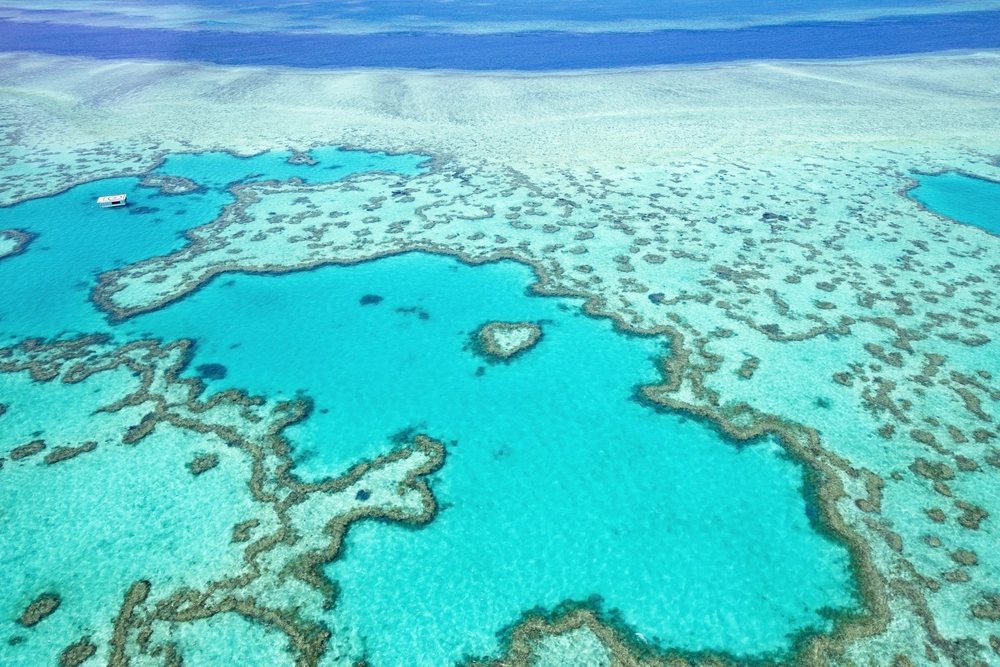
Attenborough has consistently embraced new technology throughout his career.
In 2015, at the age of 89, he descended 1,000 feet underwater in a submersible near the Great Barrier Reef.
The dive broke the record for the deepest ever dive on the reef.
He also worked on virtual reality projects and helped pioneer Ultra HD wildlife filmmaking.
His greatest mission: saving the planet

In recent decades, climate change and conservation became central themes in Attenborough’s work.
He admitted that early in his career he simply wanted to observe the natural world.
But over time, he became increasingly alarmed by environmental destruction caused by humans.
Through documentaries, campaigns, and collaborations with organisations like WWF and the BBC Natural History Unit, he has become one of the world’s strongest voices for protecting the planet.



