
 Jens Asbjørn Bøgen

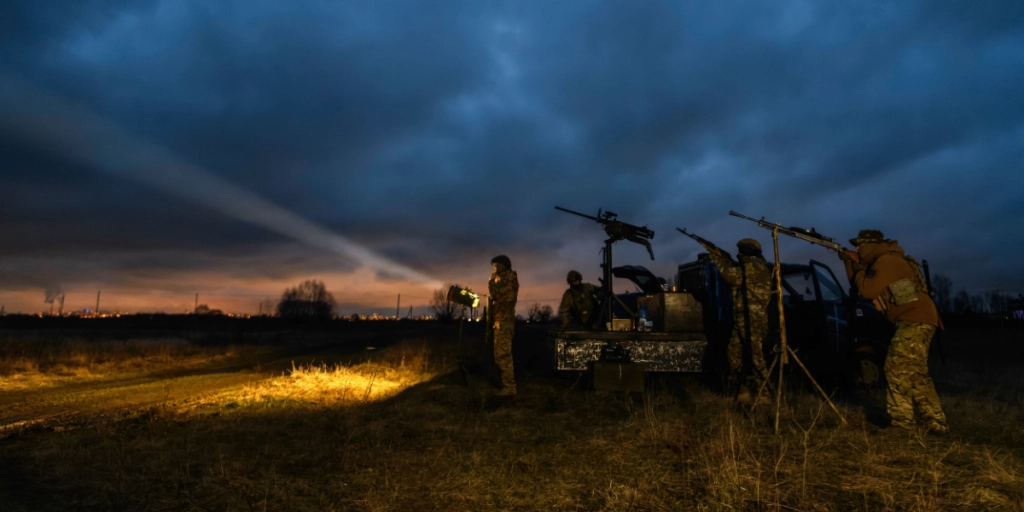
According to Zelensky, Ukraine has waited for Pete Hegseth to sign off on the transfer of Patriots and NASAMS to Ukraine for nearly a month.


Ukraine’s Defense Minister Yevhen Khmara has made a public, calculable demand that goes further than past requests to the countries holding the interceptors Kyiv says it urgently needs.
Khmara called on Germany, the United Kingdom, France, Italy and Poland to each transfer 10 percent of their existing air defense interceptor stockpiles to Ukraine immediately, with a focus on Patriot and IRIS-T systems where fielded. In exchange, the five countries would receive future deliveries Kyiv has already contracted.
The proposal was first reported by Kyiv Post, which quoted Khmara saying partners should provide “a portion of their current stocks now, in return for the shipments that are scheduled to arrive in Ukraine later.”
“This would significantly improve the defense of Ukrainian cities and set a precedent for other partners,” Khmara said in the statement to the E5.


A math problem Washington has not helped
Behind the formula is a shortfall Kyiv can count. Ukraine received 24 Patriot interceptors from the United States over the past 90 days, Kyiv Post reported, against a monthly need its planners put at roughly 350.
President Volodymyr Zelensky has told European leaders Ukraine needs 300 interceptors from partners just to get through winter.
Those numbers have grown more painful while a US resupply has sat without Defense Secretary Pete Hegseth’s signature. “For almost a month we have been waiting for Mr. Hegseth’s signature on missiles for Patriots and NASAMS,” Zelensky said this week, as reported by Euromaidan Press.
Secretary of State Marco Rubio said, in remarks reported by Euromaidan Press in the same period, that “nothing was being deliberately denied to Ukraine.”
Russia’s winter calendar
The urgency is tied to a Russian strategy Ukrainian and allied analysts say is already underway. The Institute for the Study of War assesses that Russia is attempting to force Ukraine to capitulate before spring 2027 through a sustained campaign of long-range missile and drone strikes against energy and civilian infrastructure, rather than through battlefield advances.
Khmara, approved by Ukraine’s parliament as defense minister in August, framed the ten-percent proposal as a bridge rather than a gift. European partners would front stocks Ukraine has already paid to replace.
Kyiv has also asked for funding to double domestic drone production by 2027 and for man-portable air defense systems to catch Russian jet-powered drones. “We are proposing not only to increase procurement but also to scale up the joint production of Ukrainian drones in other countries,” Khmara said, according to Kyiv Post.



