
 Kenneth Glad
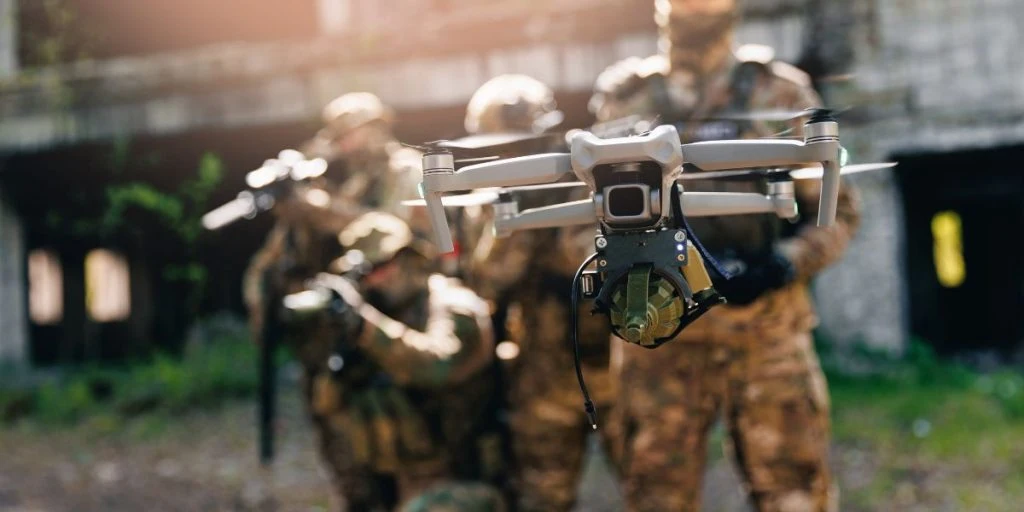
The service is weighing how new battlefield technology should fit alongside established combat formations. The debate comes as unmanned systems play an increasingly visible role in military planning.
The US Army intends to return an experimental drone-assault battalion to its conventional airborne infantry mission while continuing broader work on unmanned systems.
The Wall Street Journal reports that the battalion participated in a major exercise in Germany involving drones and ground robots. The unit is expected to pass its findings to the Army for possible use in future experiments before returning to its core infantry duties.
General Christopher LaNeve, who is serving as both vice chief and acting chief of staff, is overseeing the change. The Army has made clear that it is still pursuing artificial intelligence, autonomous systems, cyber tools and electronic warfare as part of its wider modernization effort.
Critics question the change
The decision has attracted criticism from analysts who argue that the war in Ukraine has demonstrated how rapidly drones can alter frontline combat.


Michael O’Hanlon, a defense specialist at the Brookings Institution, warned that ending the dedicated formation could slow lessons learned under former Army chief General Randy George.
“Ukraine has essentially revolutionized the close fight,” he told the Journal. “General George was starting to get that, and any setback in what he was doing would be deeply regretful and dangerous.”
The battalion may be going away, but the Army is still experimenting with unmanned technology. Project Convergence-Capstone 6 included tests of weaponized drones, autonomous vehicles, AI and other battlefield systems.
Drone testing goes on
Other Army exercises in 2026 have also tested systems designed to detect, track and destroy hostile drones. Those trials reflect the growing importance of counter-drone defenses as unmanned aircraft become more common on modern battlefields.
At the same time, the Army continues to develop new ways of using drones and other advanced systems alongside conventional troops. Its broader strategy still includes artificial intelligence, autonomous technology, cyber capabilities and electronic warfare.
The change leaves the Army to decide how lessons from the battalion will be absorbed into regular combat units. Its findings from recent exercises could shape how drones and robotic systems are used across the force in future operations.
Sources: Wall Street Journal



