
 Lauge Risom Koch

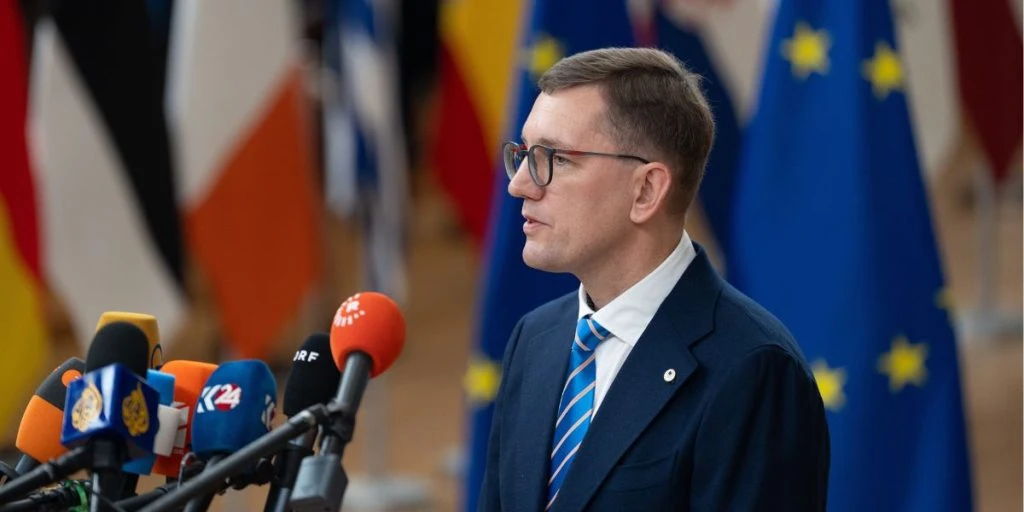
Estonian Prime Minister Kristen Michal refused to soften his criticism of Vladimir Putin despite reported American pressure to tone down rhetoric.

Estonian Prime Minister Kristen Michal stated he will not soften his criticism of Russian President Vladimir Putin. According to the Kyiv Post, this defiance follows a report that American military officials urged Baltic allies to moderate their rhetoric. Michal emphasized that his Baltic nation will maintain its firm position and continue speaking openly about the Russian threat.
The Estonian leader publicly rejected any notion of appeasement during a recent interview with a local news outlet. “I won’t hold back,” the prime minister stated, describing Putin as a dictator who kills women and children. He added that the Russian leader will continue his aggressive actions until he is forcefully compelled to change course.
Michal argued that appeasing dictatorial leaders only brings national humiliation without actually preserving freedom or securing lasting peace. The prime minister noted he had not personally received any formal American request to moderate his diplomatic language. He added that the issue never arose when he previously met American President Donald Trump in Ankara during the summer.
Pentagon requests and diplomatic rhetoric
Reuters reported that Pentagon officials privately asked Estonia, Latvia, and Lithuania to tone down their rhetoric. Four individuals familiar with the discussions claimed these specific requests occurred during bilateral meetings over the past few weeks. Pentagon policy chief Elbridge Colby reportedly advised a Baltic official against unnecessarily poking the Russian government with inflammatory statements.


Colby allegedly cited previous Baltic descriptions characterizing Moscow as cornered and increasingly desperate in its ongoing military campaign. Michal previously called Putin a rat in a corner in September while linking Russian battlefield difficulties to European sabotage. The Pentagon officially declined to discuss these private diplomatic exchanges between international allies, while NATO also refused to comment.
These reported appeals to Baltic governments arrive as Washington actively reviews its overall military presence across the European continent. American officials are currently pressing their European allies to take greater financial and operational responsibility for their own defense. Meanwhile, Western intelligence officials continue warning about an expanding Russian sabotage campaign across Europe, though Moscow denies these allegations.
Defense support and refinery strikes
The Estonian prime minister consistently backs continued pressure on the Russian economy and its broader military-industrial complex. During a summit in Brussels this October, Michal publicly supported Ukrainian drone strikes against Russian oil refinery infrastructure. He maintained this aggressive stance despite explicit American pressure on Kyiv to halt these specific attacks on Russian energy production.
“The faster all the Russian refineries and ability to sell energy will be blown to smithereens the better,” Michal stated. His comments occurred as European leaders discussed additional financial support for Ukraine following a controversial American diesel agreement with Russia. Michal insists that providing a clear assessment of the Russian threat remains essential to maintaining proper European military preparedness.
The Estonian and Ukrainian leaders previously signed a bilateral drone agreement on the sidelines of the Ankara summit in July. Ukrainian President Volodymyr Zelensky officially thanked Estonia for its ongoing military and humanitarian assistance throughout the prolonged conflict. The Ukrainian leader also praised the Baltic nation for steadfastly supporting Kyiv’s ambitions to eventually join both the European Union and NATO.



