
 Kathrine Frich

NATO’s absence from the US-Israeli war with Iran did not shield it from scrutiny.


Instead, the conflict exposed serious weaknesses in the alliance’s military readiness.
From depleted stockpiles to internal divisions, experts say the warning signs are clear.
With Russia potentially able to challenge NATO by 2029, the pressure to adapt is growing fast.
Running out of ammunition

The war in Iran quickly revealed how stretched NATO’s resources have become.
The United States has already used about half of its Patriot missile reserves.


France also warned that Aster and Mica missile supplies were running low within weeks.
Experts caution that NATO could run out of advanced air defense systems in a matter of weeks in a sustained conflict.
“We have too few of these resources,” a senior NATO diplomat said according to Digi24, urging a shift toward cheaper and more scalable alternatives.
Air inferiority
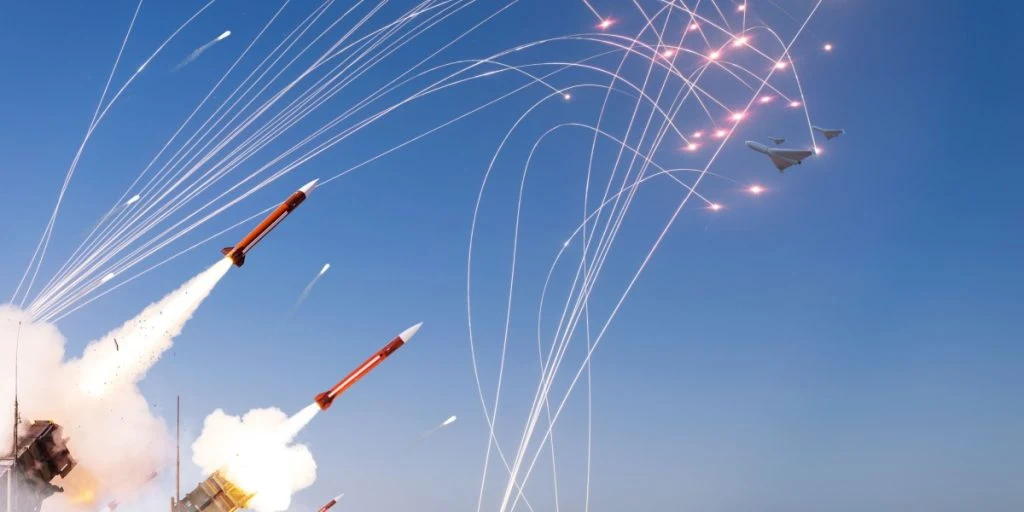
The limits of air power were on full display during the conflict.
Despite heavy US air operations, Iran continued launching thousands of strikes.
Pieter Wezeman noted “the clear limits of the expectation that you can bomb a country into submission.”
This challenges NATO’s long-held reliance on air superiority as a decisive advantage.
Experts now argue the alliance must rethink how it controls contested airspace.
Insufficiently equipped naval forces
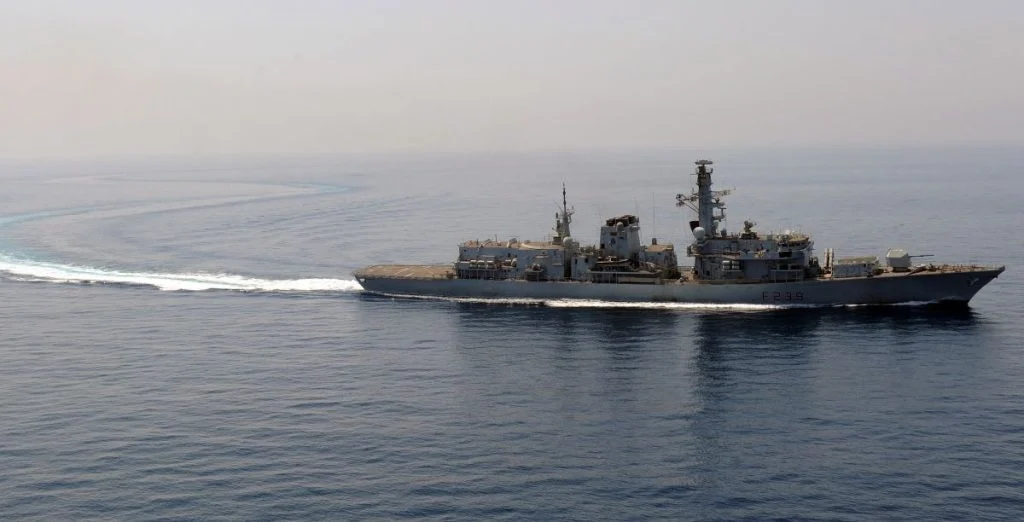
Naval readiness across NATO appears uneven and, in some cases, fragile.
‘The UK’s delayed deployment and technical issues with HMS Dragon highlighted deeper problems.
Senior officials have admitted that fleets are not fully prepared for conflict.
Canada has also acknowledged that less than half of its navy is operational.
Years of focus on land warfare have left maritime capabilities lagging behind.
Persistent discord

Political unity within NATO is under strain.
European allies rejected US calls for support, exposing divisions.
At the same time, Donald Trump has continued to criticize the alliance, calling it a “paper tiger.”
Some fear the US could limit its involvement in future crises.
“The time for flattery is over,” warned former NATO chief Anders Fogh Rasmussen, calling for a tougher European stance.
Ukraine matters

Ukraine is increasingly seen as a crucial partner in NATO’s security framework.
Its expertise in countering drones has already been shared beyond Europe.
Kyiv has signed long-term defense agreements with Gulf countries and deepened ties with NATO.
“Ukraine is acting as a security provider,” one diplomat said.
The alliance is now exploring ways to integrate Ukraine’s innovations into its broader defense strategy.



