
 Kenneth Glad
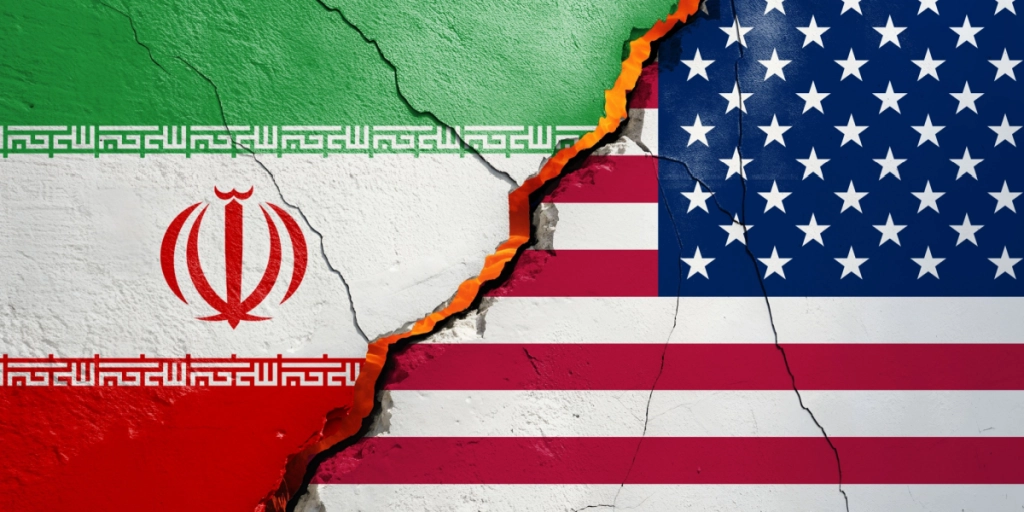
The standoff around the Strait of Hormuz is tightening. U.S. officials are sketching out possible strikes while Iran’s leadership responds with blunt threats. The waterway, a lifeline for global oil flows, is no longer just background. It is the focal point.
Shipping disruptions, military positioning and sharper rhetoric are converging quickly. Neither side appears ready to step back.


Behind closed doors, U.S. military planners are preparing scenarios for President Donald Trump, Axios reports. The options reflect growing frustration with stalled nuclear talks.
One plan involves a rapid strike campaign against Iranian infrastructure. The goal would be to pressure Tehran into returning to negotiations on different terms.
Another idea is more ambitious: Secure parts of the Strait of Hormuz and reopen it to commercial traffic. That could require forces on the ground, a move that would mark a major escalation.
Trump has so far leaned toward pressure tactics, describing the naval blockade as “somewhat more effective than the bombing.” Still, advisers say military action remains under consideration.


Tehran pushes back
Tehran’s response has been direct. According to Ekstra Bladet, supreme leader Mojtaba Khamenei warned foreign powers to stay away from the Gulf:
“Foreigners who come from thousands of miles away with greed and malice do not belong there. Except at the bottom of the sea.”
He framed the region as one that should be shaped by its own countries rather than outside forces.
At the same time, he described the current moment as a turning point, saying a “new chapter” has begun.
Khamenei also pointed to a future without U.S. involvement:
“With God’s help and power, the bright future for the region around the Persian Gulf will be a future without the United States.”
A chokepoint under strain
The Strait of Hormuz carries about one fifth of the world’s traded oil. Any disruption there quickly affects global markets.
Traffic has dropped sharply since the conflict intensified, limiting exports and increasing uncertainty in energy supply.
Tensions have also spread across the region. Iran has carried out strikes in Saudi Arabia, Qatar, Kuwait and the United Arab Emirates in recent weeks. These countries host or support U.S. military operations.
At the same time, Iran has repeated that its nuclear and missile programs are core national assets. Its leadership says they will be defended like any part of the country.
Risk of escalation
Iran’s military leaders have reinforced that message. Air force commander Majid Mousavi issued a warning aimed at Washington.
“We have already seen what happened to your bases in the region; your warships will suffer the same fate,” he said, according to Reuters.
He added: “We will respond to the enemy’s operations with long and painful attacks, even if they are short and sharp.”
U.S. planners are weighing those risks as they consider next steps, Axios reports. Any move could trigger a wider conflict across the region.
The question now is whether pressure will lead to compromise or push both sides further toward confrontation.
Sources: Axios, Ekstra Bladet



