
 Jens Asbjørn Bøgen

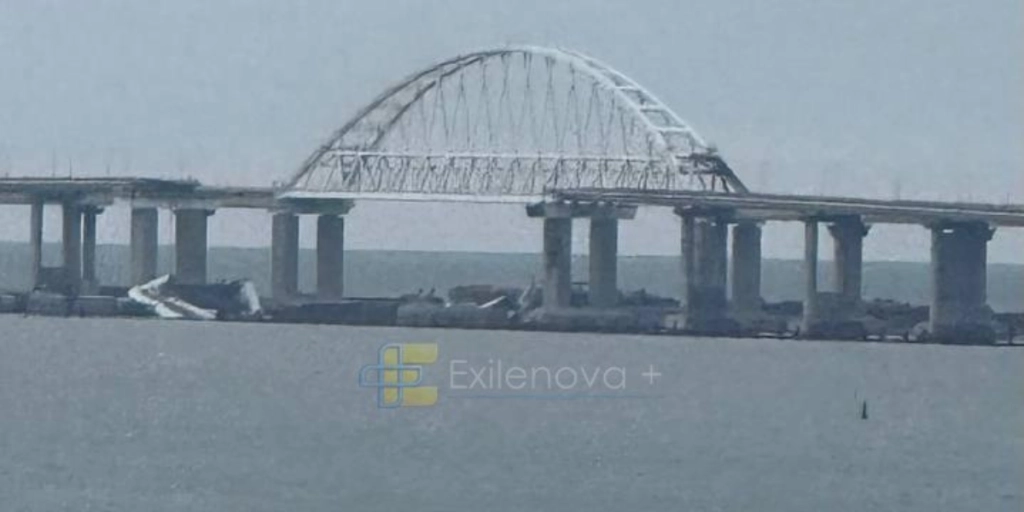
The aftermath of the Ukrainian strike on the Kerch Bridge is now spilling over into the diplomatic sphere.
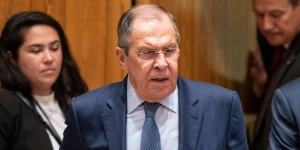
On Wednesday the Russian embassy in the Netherlands asked whether “The Hague [is] openly joining the conflict”, according to DutchNews.nl.
The post followed an announcement by Destinus, a defense startup headquartered in Valkenburg with factories including a site in Hengelo, that its Ruta Block 1 cruise missiles had been used to bring down a road span of the Kerch Bridge linking Russia to occupied Crimea.
In response to Destinus’s post, the embassy wrote that “Moscow has been duly informed of the NL involvement” and added, “The confession has been well noted.”
Click to display external content from x,
- You can always enable and disable third-party content.

You agree to display external third-party content. Personal data may be sent to the provider of the content and other third-party services.


Seven of nine missiles hit the bridge
Ukraine fired nine Ruta Block 1 cruise missiles on the second night of the operation and seven reached the crossing, Destinus said in a statement carried by Defence Industry Europe. The road span collapsed on Tuesday.
The Ruta Block 1 carries a 150-kilogram payload over roughly 300 kilometers and can be steered by an operator in the final phase of flight. By late October 2026, Destinus had manufactured 1,750 of the Block 1 missiles, with monthly output approaching 300 units.
The company said the Rutas were the only foreign-made weapons used in the operation and added that it was “proud to support the Ukrainian defence forces in their fight to defend Ukraine and Europe.”
Click to display external content from x,
- You can always enable and disable third-party content.
You agree to display external third-party content. Personal data may be sent to the provider of the content and other third-party services.
Moscow had already named the Dutch sites
Russia has threatened Destinus directly before.
Former Russian president Dmitry Medvedev named facilities belonging to the company as potential targets, and Russia’s defense ministry earlier placed two Hengelo sites on a target list, Kyiv Post reported.
Dutch Defense Minister Dilan Yeşilgöz called those threats unacceptable.
Wednesday’s embassy post went further by suggesting the Dutch government itself was now a party to the war, treating a private company’s LinkedIn update as state involvement.
The Dutch foreign affairs ministry had not commented by the time the statement circulated.



