
 Kathrine Frich
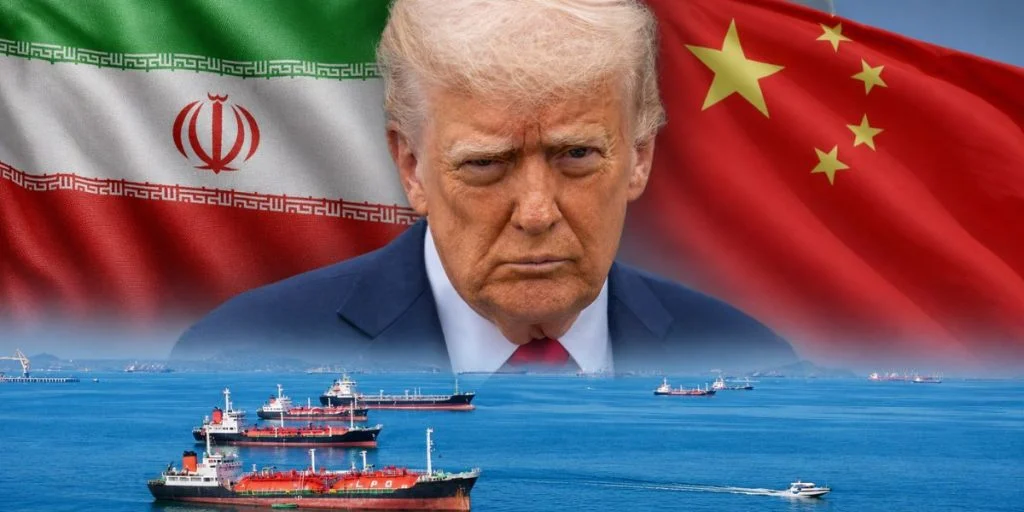
This expanded network serves as a vital supply line for the Iranian military.


hen global powers promise to step back from conflict, the reality on the ground often tells a different story.
Tracking the movement of electronics reveals who is truly supplying the tools of war.
A new investigation has uncovered how one nation is quietly arming another.
A steady flow
A report shows that Chinese suppliers sent roughly 1,300 shipments to the Iranian Ministry of Defense in early 2026.


According to WP, The Wall Street Journal reviewed Iranian customs data to track the deliveries. The cargo contained dual-use components that can support military programs.
Customs records indicate that Iran imported electric motors, aircraft engine parts, and advanced GPS devices. Many items were filed under Article 119 of the country’s customs regulations, an obscure rule that allows defense imports to enter Iran completely free of tariffs.
Experts have tracked these materials before. Kate Koren, deputy director of the economics program at the Center for Strategic and International Studies, told the newspaper that some of these imported parts are known to be used in Iranian Shahed drones.
Timing the deliveries
The pace of the shipments caught the attention of investigators. A Chinese cargo plane landed in Tehran on the day a temporary ceasefire between the United States and Iran began. This flight carried electronics meant for the Iranian defense sector.
Just two days later, more than a dozen additional deliveries reached the country. The total value exceeded $6 million, with reports suggesting the shipments contained parts suitable for building drones.
Air traffic between the two nations has also surged. Flight tracking data shows that Mahan Air steadily increased its routes from Chinese cities to Tehran. The sanctioned airline went from offering just four weekly flights in March to handling about 27 by late April.
Denials and diplomacy
This expanded network serves as a vital supply line for the Iranian military, according to The Wall Street Journal. The revelations surfaced this week. Chinese President Xi Jinping arrived in Washington for a summit with President Donald Trump.
China has consistently denied selling weapons to Iran. Officials in Beijing maintain that the government strictly controls the export of dual-use goods, and they reject unilateral United States sanctions on trade with Iran.
Journalists have tracked other restricted materials moving between the two nations. Ships leaving the Chinese port of Gaolan reportedly carried massive cargoes of chemical precursors like sodium perchlorate, a substance used to produce solid fuel for ballistic missiles.



