
 Jens Asbjørn Bøgen
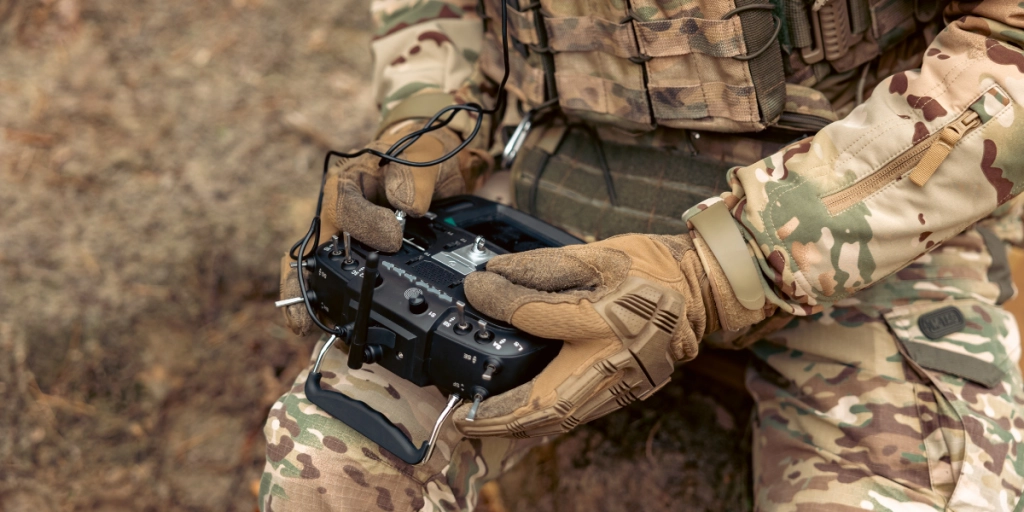
The UGV’s needed just two nights to get the job done.


One of the deadliest job on the eastern front in Ukraine used to belong to a small group of men with metal detectors and long careers cut short.
In the woods and villages north of Lyman, that job is being handed over.
Ukraine’s Third Army Corps has spent September pushing back Russian positions in northern Donetsk under an operation named after Antonio Vivaldi’s Four Seasons, and one detail from the latest phase says as much about how this war is changing as any map.
Robotic ground vehicles cleared roughly 30 kilometers of mined routes in the Shandryholove sector across two nights, with no sapper casualties, according to the Third Army Corps commander, Brigadier General Andrii Biletskyi. The corps says two sapper companies would have needed about a week to do the same work by hand.


Biletskyi, whose unit air-dropped kamikaze ground robots more than ten kilometers behind Russian lines earlier in the operation, has argued from the start that machines belong out in front.
“Infantry wins wars, but we protect our infantry, which is why the robots go to the enemy first,” the corps said in a statement carried by Ukrainska Pravda on September 20.
A week of sapper work compressed into two nights
The corps says robotic systems now neutralize about 60 percent of the anti-personnel mines in its area of responsibility. Crews are also using unmanned platforms to lay mines of their own on Russian supply routes, up to 200 meters per day per team, and to evacuate the wounded.
Operation Vivaldi is a phased counteroffensive north and northwest of Lyman, a rail hub Russia has fought for years to hold. The Third Army Corps says it has retaken more than 125 square kilometers and the villages of Shandryholove and Derylove, while establishing full control over Drobysheve.
Why Lyman matters
The Institute for the Study of War has assessed that the Vivaldi gains have made Russia’s plan to encircle the “fortress belt” of Sloviansk, Kramatorsk, Druzhkivka and Kostiantynivka unfeasible, and are likely to delay a Russian push on Sloviansk.
Biletskyi has said the operation is planned in four phases, only two of which have been publicly disclosed.
A separate Third Corps account of the fighting says targeting Russian command posts, more than the robots themselves, was what unlocked the advance, forcing Moscow to divert troops from the front line to guard rear nodes.
The next phase has not been announced.



