Lauge Risom Koch

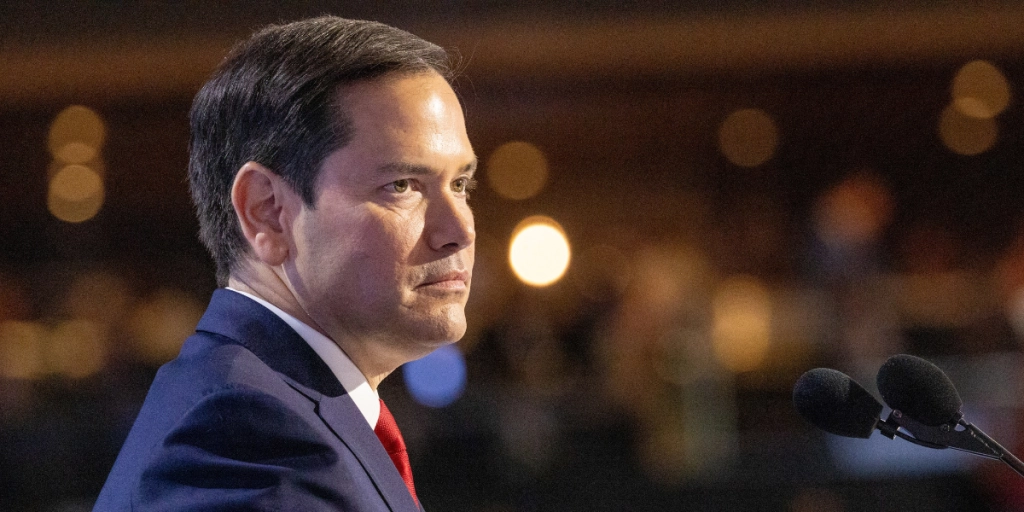
US Secretary of State Marco Rubio denied that Washington suspended intelligence sharing with Ukraine, contradicting claims of a 3-day pause.


US Secretary of State Marco Rubio denied that Washington suspended intelligence sharing with Ukraine. According to the Kyiv Post, the diplomat contradicted claims from Kyiv regarding a 3-day suspension of information. The dispute emerged as the US administration intensified political pressure on the Ukrainian government to negotiate an end to the conflict.
Speaking to reporters in Uzbekistan, Rubio rejected allegations that the United States temporarily halted its intelligence feeds. Ukrainian President Volodymyr Zelensky previously stated that the suspension had been resolved by the American side after 3 days. Despite this resolution, questions continue circulating regarding the lack of early warnings for recent Russian bombardments.
Ukrainian sources indicated that the military received no advance warning of a ballistic threat during an overnight attack on Kyiv. Correspondents in the capital reported hearing explosions several minutes before the air raid sirens activated. These warnings normally provide civilians with an opportunity to reach underground shelters before missiles strike.
Pressure to end the conflict
The diplomatic tensions coincide with broader American efforts to end the conflict, which is now in its 5th year. Rubio emphasized that the US administration wants leadership in both Kyiv and Moscow to prioritize ending the fighting. Highlighting this priority, Rubio stated, “What he should be focused on and what we want to be focused on is bringing an end to this war.”


US President Donald Trump recently utilized social media to amplify his criticism of the Ukrainian leader. In a recent post, Trump accused Zelensky of having no interest in ending the war. The president claimed he was making great progress toward a peace deal despite alleged resistance from European and Ukrainian officials.
Trump specifically criticized the Ukrainian military for launching strikes against Russian oil refineries. He argued that these attacks are damaging global diesel markets and impacting domestic fuel prices. The administration is currently pursuing a deal with Moscow to secure fuel exports in exchange for easing sanctions.
Energy strikes and ceasefire negotiations
The restrictions on intelligence sharing reportedly stem from disagreements over Ukrainian military tactics targeting Russian energy infrastructure. Media reports from October 15 indicate that US intelligence officials issued a warning to the Ukrainian embassy in Washington. The officials reportedly threatened to stop sharing intelligence if Kyiv continued striking Russian petrochemical plants and refineries.
Washington also threatened to block European countries from purchasing US weapons for Ukraine if the strikes persisted. These threats align with the American strategy to force an energy ceasefire between the 2 warring nations. While anonymous officials disputed claims of a complete intelligence blackout, they acknowledged that access to specific data feeds had been limited.
These alleged intelligence restrictions coincided with a series of Russian ballistic missile attacks on the Ukrainian capital. The bombardments damaged key energy infrastructure and disrupted electricity and water supplies across the city. Zelensky condemned the reported US pressure regarding the energy ceasefire, describing the maneuver as an attempt to force a Ukrainian capitulation.