
 Lauge Risom Koch

Russia plans to test a new ballistic missile capable of reaching 800 kilometers while simultaneously repurposing older systems with foreign electronics.

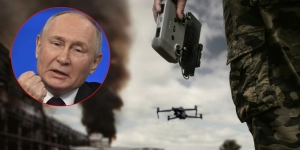
Russia intends to test a new ballistic missile capable of reaching targets up to 800 kilometers away before the end of 2026. According to United24 Media, Ukrainian military intelligence confirmed this development following a formal request for information. Moscow continues expanding its ballistic arsenal by pushing beyond the historical range restrictions that once shaped its weapons programs.
The Kremlin previously adhered to the Intermediate-Range Nuclear Forces Treaty. That defunct agreement prohibited the development of ground-launched ballistic and cruise missiles with ranges between 500 and 5,500 kilometers. Today, Russian defense contractors operate without those restrictions while simultaneously working to upgrade existing weapon systems.
One significant focus involves upgrading the 9M723 ballistic missile currently utilized by the Iskander system. Unofficial sources sometimes refer to this modernized weapon variant as the Iskander-1000. However, Ukrainian intelligence officials note that this unofficial designation significantly overstates the actual capabilities of the modified missile.
Missile ranges and production challenges
The standard flight range for the upgraded Iskander missile reaches 550 kilometers. Ukrainian intelligence officials clarified, “If the warhead is made lighter, the range can increase to 700 km”. The Ukrainian military previously recorded Russia utilizing this newer 9M723-2 variant during a combined strike on Kyiv this summer.


Despite these modernization efforts, Moscow allegedly faces significant production bottlenecks regarding its existing missile arsenal. Russian factories are currently encountering difficulties producing sufficient quantities of the standard 9M723 ballistic missiles. These baseline weapons typically feature an operational strike range of approximately 500 kilometers.
To compensate for these manufacturing shortfalls, the Russian military is increasingly seeking weapons from foreign suppliers. Intelligence officials noted that Moscow’s interest in North Korean KN-23 missiles serves as the best confirmation of domestic production struggles. This reliance on external partners highlights the growing strain on the Russian defense industrial base.
Repurposed components and foreign electronics
Beyond relying on foreign allies for complete missiles, Russian engineers are heavily repurposing older domestic air defense systems. Ukrainian technicians recently dismantled a captured RM-48U ballistic missile to analyze its internal construction. The examination revealed a weapon assembled using repurposed components from older S-300 and S-400 systems.
This forensic analysis also exposed Russia’s continued dependence on imported technology to sustain its missile program. The dismantled weapon was packed with foreign electronics necessary for its guidance and navigation systems. This discovery underscores the challenges of enforcing international export controls against the Russian defense industry.
Investigators identified dozens of specific internal components manufactured by companies based in the United States. These findings demonstrate how Moscow continues acquiring critical microelectronics despite strict Western sanctions designed to cripple its military production. Allied nations are continuously working to close these procurement networks and cut off Russia’s access to advanced technologies.



