
 Kathrine Frich
The American leader indicated a major shift in military priorities.


When a nation under siege runs out of ammunition, the entire population holds its breath.
Wartime leaders usually rely on powerful allies to bridge the supply gap and keep their skies safe.
But occasionally, even reliable global partners must prioritize their own survival.
Empty arsenals
Following the initial invasion, the United States opened its military reserves to support the defense effort. Today, the new administration is looking closely at its own depleting stockpiles.


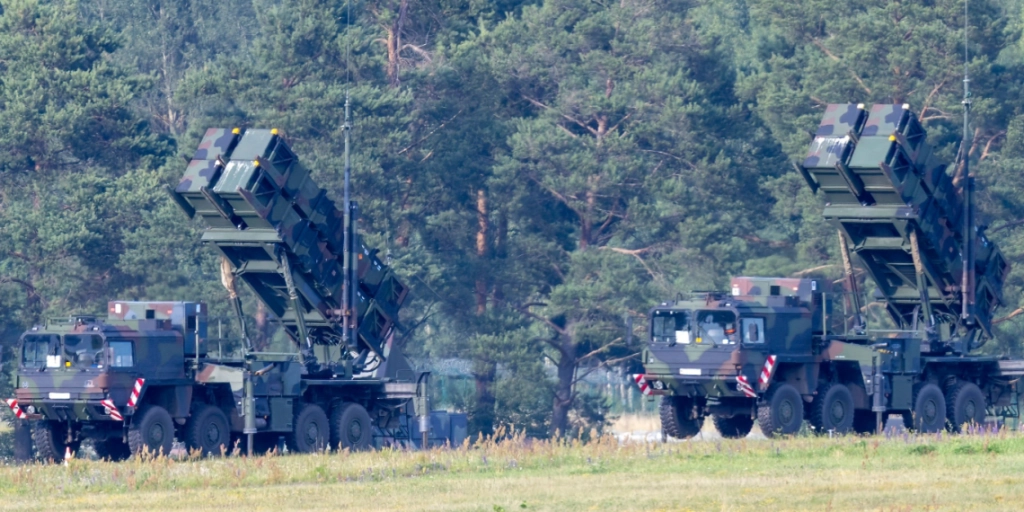
During a recent press briefing, Donald Trump addressed public appeals from the Ukrainian government. The embattled European nation is desperately begging for additional Patriot interceptors to protect its vital infrastructure.
The American leader indicated a major shift in military priorities. “We need missiles ourselves. Biden gave him so many, Biden gave him $300 billion worth of ammunition,” Trump told reporters, according to Sky News cited by Meduza.
Desperate for defense
This blunt statement arrives at an absolutely critical moment. Ukrainian officials have spent weeks warning allies about a severe shortage of defensive weapons just as seasonal bombardments intensify.
Recent battlefield data paints a grim picture of the situation. During a massive Russian attack on August 1, defending forces managed to intercept only one out of 27 incoming ballistic missiles.
The situation deteriorated further just days later. Sky News reported that a subsequent strike on August 5 saw 24 missiles bypass the defensive net completely, resulting in zero successful interceptions.
A looming winter
Behind closed doors, diplomats are scrambling to find a viable permanent solution. The original request for immediate assistance was apparently rejected during a high level meeting in Washington.
Volodymyr Zelenskyy visited the White House in late July to ask for 300 Patriot missiles before winter arrives. According to American media sources, Trump firmly declined the urgent request.
The strategic focus has now shifted toward building an independent defense industry. Both nations are negotiating a licensing agreement that would allow domestic manufacturing of the advanced interceptors.
Waiting for relief
Even if negotiators finalize the complex licensing deal quickly, the industrial reality is sobering. Advanced weapons systems take a significant amount of time to manufacture and deploy to active combat zones.
Experts suggest it will take at least a full year before any locally produced Patriot missiles reach the frontline. Until that milestone is achieved, defending forces will have to make difficult tactical choices.
With international supplies dwindling rapidly, local commanders must figure out how to protect their vulnerable cities using whatever limited resources remain in their inventory.
Sources: Meduza, Sky News, American media sources



