Jens Asbjørn Bøgen

Ukraine’s long-range campaign reached another corner of Russia’s defense supply chain on Sunday.


In the Russian city of Yelets, deep inside Lipetsk Oblast, a research-and-production enterprise named Energiya has for years built batteries and power units for some of Moscow’s most important strike weapons.
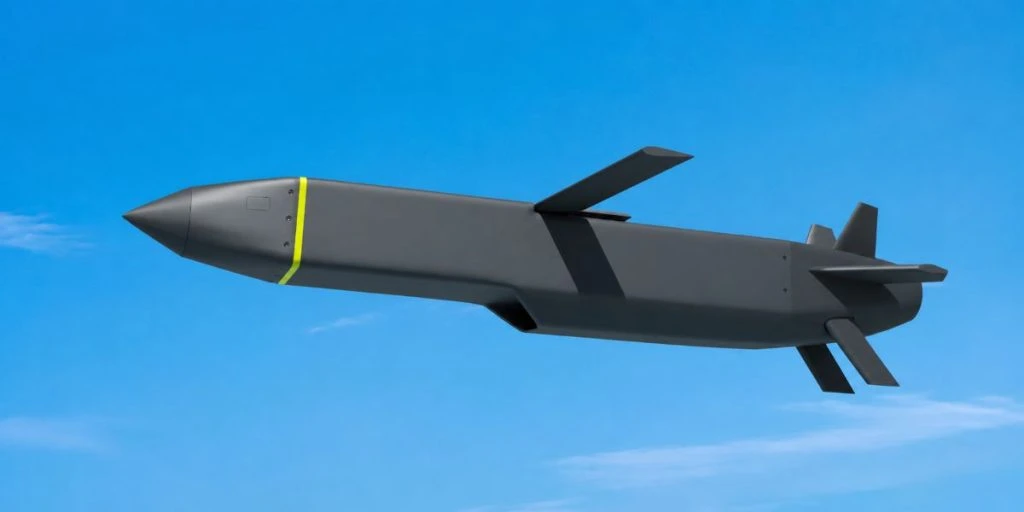
On the afternoon of October 25, suspected cruise missiles struck the facility and set off a large fire that Ukrainian monitoring channels say rendered a primary production workshop inoperable. Ukrainian specialist outlet Defence Express reported the strike was carried out with UK-supplied Storm Shadow cruise missiles.
Lipetsk Oblast Governor Igor Artamonov confirmed on social media that an attack had targeted the region’s industrial zone and that emergency services were working at the scene, Ukrinform reported. Artamonov did not confirm what facility was hit.
Click to display external content from x,
- You can always enable and disable third-party content.

You agree to display external third-party content. Personal data may be sent to the provider of the content and other third-party services.


What Energiya makes
The Yelets plant manufactures 9B280-1 power units for the 9M727 cruise missiles of the Iskander-K system and 9B-287 batteries for the UMPB D-30SN guided glide bombs that Russian forces drop on Ukrainian cities, according to Defence Express.
The facility also produces power supplies for Iskander-M ballistic missiles, Kh-35U anti-ship missiles, and the UMPK universal glide and correction kits—the add-on tail sections that convert conventional dumb bombs into standoff weapons.
Ukrainska Pravda reported that power cells and batteries manufactured in Yelets also go into Zircon ballistic missiles, 95Ya6 surface-to-air missiles for Pantsir air defense systems, and Kh-47M2 Kinzhal air-launched ballistic missiles.
Ukrainian OSINT channel Exilenova+ characterized Energiya as Russia’s sole producer of batteries for glide-bomb planning and correction modules, a claim repeated by multiple Ukrainian outlets and not independently confirmed by Western wire agencies.
Click to display external content from x,
- You can always enable and disable third-party content.
You agree to display external third-party content. Personal data may be sent to the provider of the content and other third-party services.
Damage assessment
Footage posted by Ukrainian monitoring channels showed thick smoke rising from several buildings on the industrial site, with ambulances arriving at the perimeter.
According to Defence Express, the facade and interior of one of the plant’s production buildings sustained severe damage, leading analysts to conclude that operations within that specific workshop have been paralyzed.
Kyiv Post reported that defense analysts described the raid as a precision interdiction designed to disrupt component supply lines. The Yelets facility is not a new target; previous strikes in May 2025 and January 2026 also ignited major blazes at the complex.
Second day of deep strikes
Sunday’s hit on Energiya marks the second consecutive day Ukraine targeted deep Russian defense-production facilities, following strikes against industrial and chemical plants in Samara and Omsk.
If the plant’s role as sole supplier of glide-bomb guidance batteries holds up, the disruption would directly affect production of the UMPB D-30SN, the guided bomb Russian forces have used extensively against Ukrainian civilian and energy infrastructure. Russia’s defense ministry had not publicly addressed production damage at Energiya by the time of publication.