
 Jens Asbjørn Bøgen
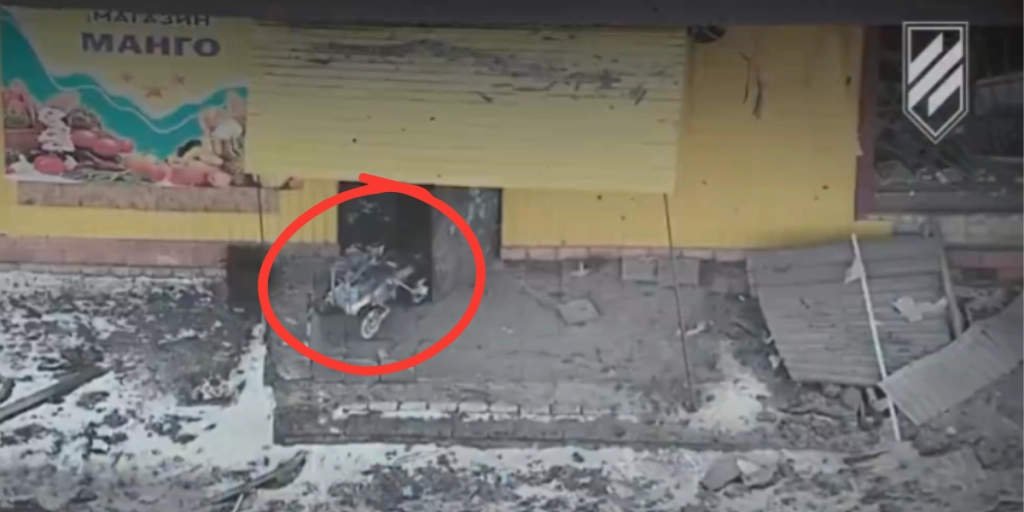
The Ukrainian Third Army Corps continues to introduced new, surprising, and highly effective tactics during the operation.


During an offensive push known as Operation Vivaldi, Ukrainian forces introduced an unusual tactical method on the front line.
According to Ukraine’s Third Army Corps, operators from its NC13 unmanned ground unit modified small attack robots to launch direct combat strikes against fortified positions.
Each rolling vehicle carried two Bulgarian-made Bullspike grenade launchers as it rolled toward target positions. The automated platforms approached Russian defenses, fired their weapons at enemy troops, and continued driving straight into underground shelters before detonating.
The operation allowed military commanders to achieve several goals at once without exposing infantry to direct gunfire. The small robots damaged defensive structures, created psychological pressure, and cleared out enemy shelters while friendly soldiers stayed far out of harm’s way.


According to the Third Army Corps, the Russian defenders were likely tricked into believing they were facing a traditional human assault team.
Instead, remotely operated machines carried out the entire trench raid.
Click to display external content from x,
- You can always enable and disable third-party content.

You agree to display external third-party content. Personal data may be sent to the provider of the content and other third-party services.
Fighting from afar
According to details provided by the Geneva International Centre for Humanitarian Demining, the Bullspike PG-22 is a modified variant of the RPG-22 disposable rocket launcher. Armed with high-explosive anti-tank warheads, the small platforms packed enough punch to wreck heavily fortified bunkers.
Human operators guided the vehicles from protected bunkers located tens of kilometers away from the fighting line. That setup kept pilots safe from enemy artillery.
“No one has used similar tactics in the history of the war before. The robots were controlled by operators from safe shelters tens of kilometers from the line of contact,” the Third Army Corps said.
A new playbook
This novel tactic forms part of a larger push by the Third Army Corps during Operation Vivaldi. Earlier in the campaign, Ukrainian troops used massive aerial drones to transport attack ground robots more than ten kilometers behind Russian lines.
By combining airborne transport with ground combat robots, military planners are reshaping combat operations. These adaptations allow troops to weaken defensive strongholds while keeping human soldiers completely clear of the line of fire.



