
 Lauge Risom Koch

Western allies wrap up postwar security talks for Ukraine in Brussels as reciprocal cross-border airstrikes hit energy and logistics infrastructure.

Russia and Ukraine launched reciprocal airstrikes overnight as international officials concluded a two-day conference in Brussels addressing postwar reconstruction and long-term security guarantees. According to the Associated Press, the diplomatic meetings at NATO headquarters brought together representatives from the United States, the United Kingdom, France, Germany, the European Union, the World Bank, and BlackRock.
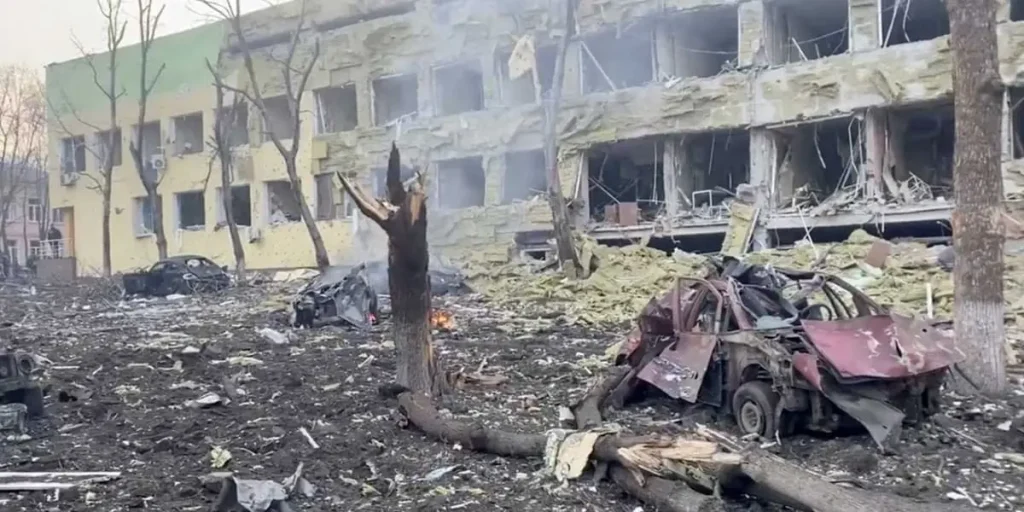
The security discussions occurred alongside ongoing rescue operations in southern Ukraine following a Russian guided-bomb airstrike on a school and shelter in Komyshuvakha. Ukrainian President Volodymyr Zelenskyy confirmed that the death toll in the Zaporizhzhia region rose to 43 victims, though one person previously reported missing was located alive. Rescue teams continue sifting through wreckage for more than 30 people still believed to be trapped beneath the ruins.
Diplomatic discussions and European financial support
Ukrainian lead negotiator Rustem Umerov met with Western officials and institutional investors to coordinate security frameworks and funding for 2027. “We separately discussed the threats from Russia to Ukraine and all of Europe, as well as joint steps to counter them,” Umerov said. American peace envoy Jared Kushner described the Brussels talks as “productive and substantive” ahead of upcoming three-way discussions in Abu Dhabi involving Ukraine, the United States, and Russia.
Zelenskyy confirmed holding a 90-minute preparatory conversation with American negotiators Steve Witkoff and Kushner. “The negotiations must move forward at full throttle to bring this war to an end as quickly as possible,” Zelenskyy stated, emphasizing that Kyiv has presented clear proposals. In an interview with German broadcaster ZDF, Zelenskyy also welcomed bipartisan backing in Washington following American midterm election results, while Estonian Foreign Minister Margus Tsahkna noted that diplomatic predictability will largely hinge on President Donald Trump’s decisions.


Parallel to the security discussions, the European Commission transferred 4.4 billion euros ($4.9 billion) to Ukraine under an existing 90-billion-euro loan package. European Commission President Ursula von der Leyen reaffirmed long-term economic assistance as the country enters its fifth winter of war, stating, “As Russia continues its relentless attacks, Ukraine is about to start its fifth wartime winter… And as efforts to achieve a just and lasting peace for Ukraine continue, so too does the EU’s unwavering support.”
Overnight airstrikes and infrastructure damage
Air defense systems operated across both countries as long-range drone airstrikes targeted industrial and logistics infrastructure. Ukrainian air defense forces intercepted or suppressed 105 of 128 Russian attack drones launched across eastern and central regions. Russian airstrikes wounded three civilians in the city of Dnipro and injured a man when a warehouse fire erupted west of Kyiv. In Russian-occupied Luhansk, Moscow-backed authorities reported five dead and 13 injured following a strike on a bus.
Simultaneously, Ukrainian forces directed hundreds of unmanned aerial vehicles against military and energy targets inside Russian territory. The Russian Defense Ministry claimed its forces downed 496 Ukrainian drones across 13 regions, the Black and Azov Seas, and occupied Crimea. More than 200 drones targeted the Ryazan region southeast of Moscow, where regional governor Pavel Malkov confirmed power grid damage and a blaze at an industrial facility.
Russian media subsequently reported extensive damage and fires at the Ryazan oil refinery following the airstrikes. The simultaneous strikes on energy infrastructure highlight the sustained military pressure exerted by both sides as international diplomats prepare for formal negotiations.



