
 Anna Hartz
Most of the Earth is covered by water. About 71 percent of the planet’s surface is ocean, while the rest is land made up of seven continents and many islands. But the shape of our planet is not fixed.


Tectonic plates, the giant slabs of rock that make up the Earth’s crust, are always moving. This movement can raise mountains, form valleys, and even open new oceans over millions of years.
A 3,000 Km Split
One of the main forces behind these changes is subduction. This is when one tectonic plate slides under another. It drags land with it and recycles the seabed deep inside the Earth. The movement is extremely slow, only a few millimeters per year. Yet over millions of years, it can completely reshape coastlines, trade routes, and the map itself.
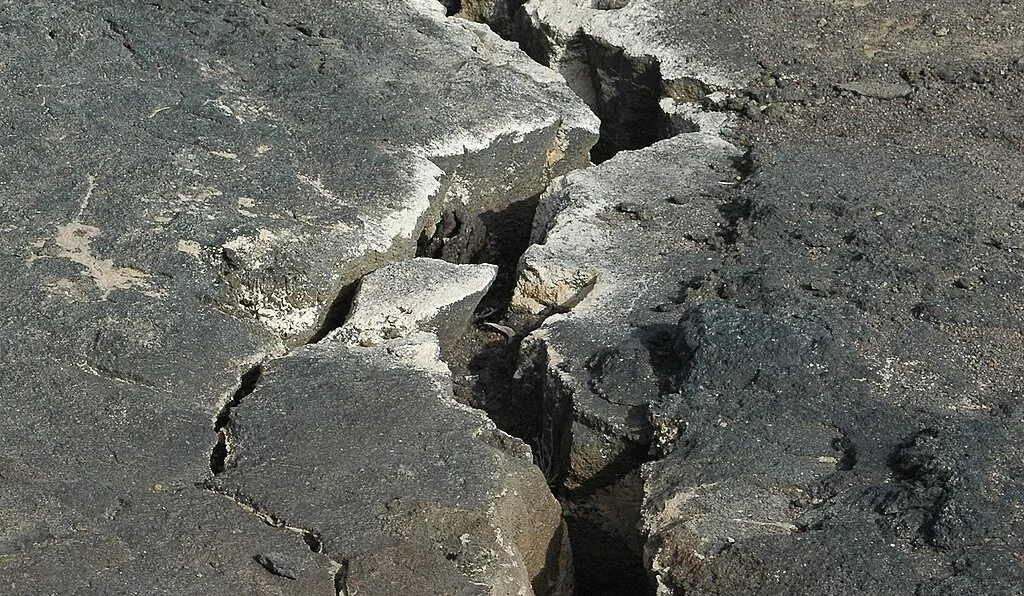
In East Africa, the Somali Plate is slowly pulling away from the larger Nubian Plate, according to El Economista. The fault line stretches more than 3,000 kilometers from the Gulf of Aden down to Mozambique. The land between them is sinking, forming a deep, narrow valley. Scientists describe the region as a place where Africa is literally splitting apart.
As the Somali Plate continues to move, it may eventually become a separate continent. When a landmass starts to split, the outer rock breaks, and hot material from inside the Earth rises to fill the gap.


As this magma cools, it forms new crust. This process is similar to what happens on the ocean floor and slowly creates the seabed that will eventually lie between the two landmasses.
Some parts of the valley are already below sea level. If tectonic forces continue to pull the plates apart, water will gradually fill the new basin. Over millions of years, this could form a brand new ocean. Maps in the distant future may show a very different shape of Africa, with a new sea separating the Somali region from the rest of the continent.
These changes are not sudden. They take millions of years to become visible. But the slow, steady motion of Earth’s plates reminds us that the planet is alive and constantly reshaping itself. Oceans, continents, and coastlines are not permanent. They evolve, slowly but surely, through the natural forces of geology.
Sources: El Economista



