Lauge Risom Koch

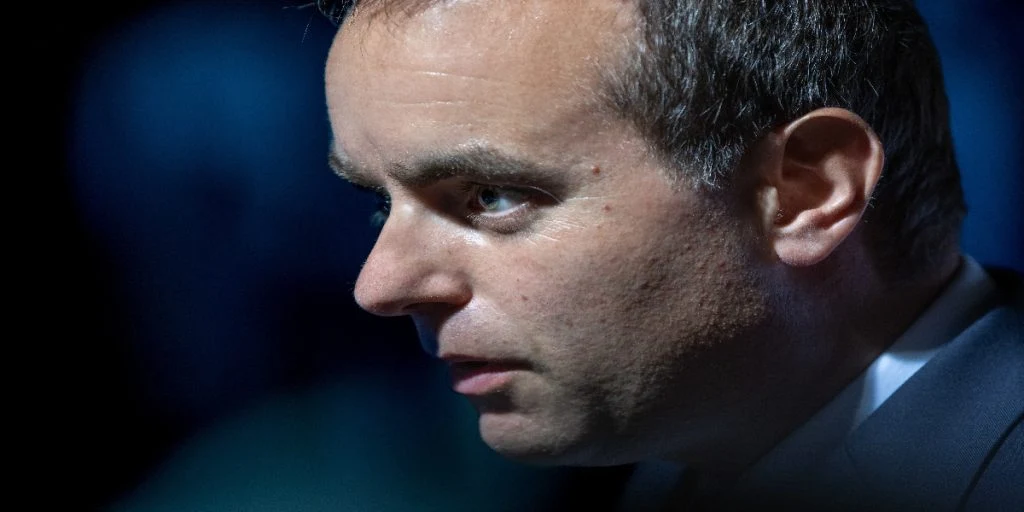
French Prime Minister Sébastien Lecornu ordered localized curfews to combat severe nationwide rioting that damaged thousands of local businesses.


French Prime Minister Sébastien Lecornu recently instructed regional representatives to impose localized curfews across affected areas. According to AP News, these limited restrictions aim to prevent additional rioting and looting following severe weekend violence. The prime minister defended the actions of police officers who faced violently destructive groups during the massive demonstrations.
The unprecedented weekend violence successfully targeted city halls, various public buildings, and thousands of private businesses across the country. Authorities officially estimated that destructive crowds damaged or looted at least 3,000 different commercial enterprises in several major cities. Responding to the immediate threat, regional officials in Marseille banned any public protests or gatherings until Monday evening.
Following these catastrophic events, Interior Minister Laurent Nuñez formally offered his resignation to the national leadership on Sunday. French President Emmanuel Macron officially refused to accept this resignation due to the ongoing need for continuous law enforcement command. However, the president instructed the minister to ensure complete transparency regarding intelligence failures that permitted the widespread destruction.
Security failures and structural damage
The interior minister publicly acknowledged that law enforcement authorities temporarily lost control in several major metropolitan areas. Nuñez blamed the overwhelming street violence on highly mobile hordes of opportunistic looters and radical far-left political activists. He explicitly stated that current law enforcement strategies must adapt to better anticipate and confront these highly mobile destructive groups.


The weekend demonstrations originally began as nationwide protests regarding rising living costs and deteriorating conditions in public schools. The situation rapidly escalated when aggressive groups deliberately sought direct physical confrontations with deployed riot police units. By the conclusion of the chaotic weekend, law enforcement officers had arrested at least 2,400 individuals across the country.
The extreme violence resulted in severe structural damage to historic buildings and municipal infrastructure across central France. Flames completely engulfed the 19th-century City Hall located in Limoges after violent mobs successfully breached the defensive perimeter. This intense fire caused the roof of the historic municipal building to collapse and nearly destroyed the entire structure.
Cleanup efforts and political fallout
Municipal cleanup crews and local firefighters deployed across Paris on Monday to clear shattered glass and hazardous debris. Local business owners surveyed the extensive damage after organized groups of looters forced their way into locked commercial establishments. One shop owner reported that police dispatchers explicitly advised him against intervening when looters repeatedly raided his store.
The widespread destruction immediately generated intense political criticism directed at the current centrist government administration. Jordan Bardella, president of the far-right National Rally party, publicly accused the government of fundamentally failing the French people. The opposition leader argued that the head of state failed in his essential constitutional duty to protect domestic security.
Bardella utilized the chaotic aftermath to urge French citizens to exercise their voting power in the upcoming national elections. He is currently campaigning alongside prominent far-right political leader Marine Le Pen ahead of the spring presidential contest. Recent public polling numbers continue to suggest that Le Pen remains the clear front-runner to win the upcoming election.