
 Jens Asbjørn Bøgen
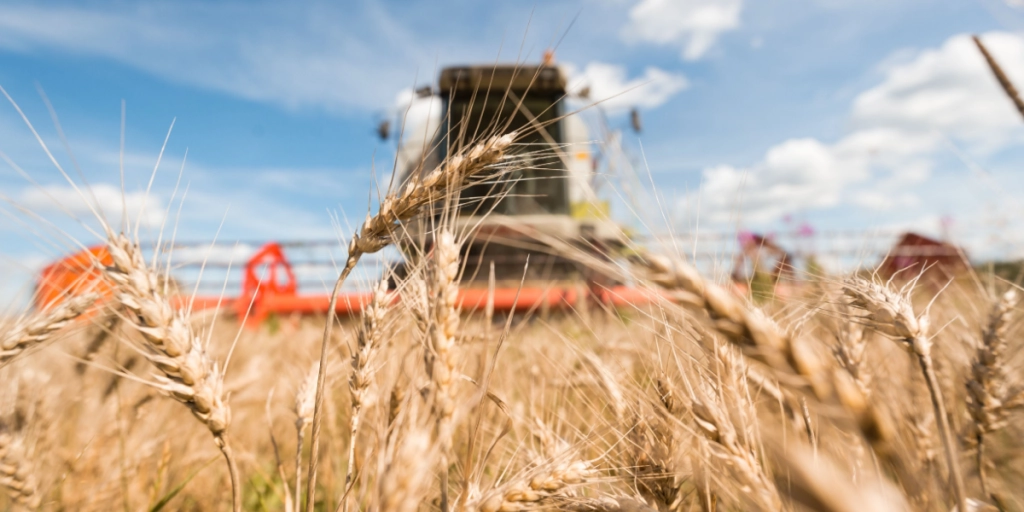
When fuel prices increase, it sends ripples through the entire food supply chain.


When dinner costs more each passing week, the pinch reaches far beyond local grocery aisles.
Shockwaves in global trade hit family budgets in subtle ways.
And according to the 2026 edition of the UN SOFI report, the large number of conflicts around the world could make food prices increase further.
Expensive daily plates
According to the report, getting a nutritious meal on the table is turning into an uphill battle, as the global average cost of a healthy diet jumped to 4.28 dollars per person every day, up from 3.44 dollars in 2021.


Latin America faces the highest prices at nearly five dollars daily. In low-income nations, a staggering 77 percent of people cannot afford to eat well. A third of the world’s population remains priced out.
Much of the problem stems from expenses behind the scenes. Processing, logistics, and wholesale trade account for 40 percent of total food costs.
When shipping lanes stall or fuel spikes, shoppers pay.
Cycles of conflict
Geopolitical tensions threaten to push up to 18 million more people into severe hunger. In a July 10 interview with the Associated Press, International Fund for Agricultural Development President Alvaro Lario warned that shipping and energy disruptions could create massive shocks.
Battles like the war in Ukraine and instability near the Strait of Hormuz drive up fuel and fertiliser costs.
Small farmers feel the squeeze first, because diesel is essential for them to pump water for their crops, harvest and get the produce out into the world.
When the cost of diesel increases, the farmers have to increase the price of their produce, which causes the next parts of the supply chain to increase prices to even out their increased expenses.
“We are in a current era where we have the highest number of conflicts and are still increasing,” Lario told the Associated Press, adding that “whenever there is a conflict, also hunger, displacement and refugees increase.”
FAO Director-General Qu Dongyu stressed that stability is vital. “Ending hunger and making healthy diets affordable requires political commitment, sustained investment and enabling policies,” Dongyu said.
Shift toward Africa
Extreme weather adds heavy pressure. Floods and droughts are now a grim routine. Lario urged governments to fund climate adaptation before disasters strike rather than relying solely on emergency aid.
Africa is taking the brunt of the crisis. For the first time, the continent has overtaken Asia with the highest number of hungry people. By 2030, nearly 60 percent of chronically undernourished people could live there.
African nations spend nearly 100 billion dollars a year importing food. To fix this, Lario urged investments in local farming, cold storage, and regional trade networks.



