Jens Asbjørn Bøgen

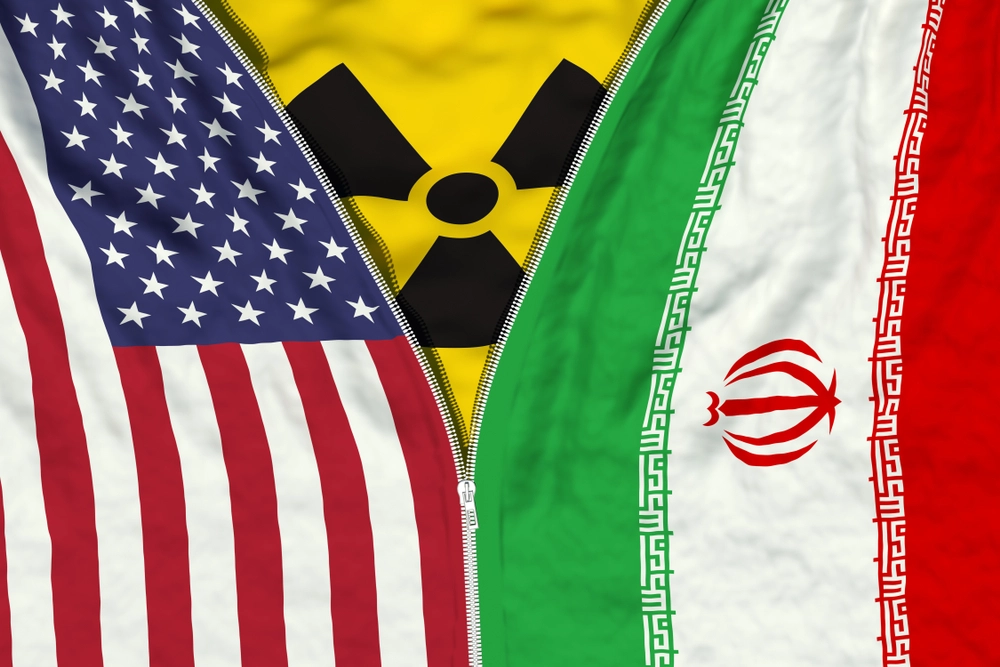
The man carrying messages between Washington and Tehran came home with a stiff reply.


Direct contact between the United States and Iran has run through third parties since the summer, and no one has walked that road more often than Pakistan’s top military officer. His latest trip to Tehran this week aimed to restart a stalled process after months of silence.
Field Marshal Asim Munir met Iranian President Masoud Pezeshkian in Tehran on Tuesday, October 20, in a fifth attempt to broker talks between Iran and the United States. Iranian officials used the visit to rule out any transfer of enriched material abroad and to repeat that Washington must meet seven conditions before any negotiations resume.
“Not even a tiny bit of enriched nuclear material will leave Iran,” Supreme National Security Council Secretary Mohsen Rezaei told Munir, calling the stockpile “a major asset and national wealth for the Iranian people.” The statement forecloses the chief US demand on the table.
Seven conditions, and no new offer
Parliament Speaker Mohammad Bagher Ghalibaf delivered the political line, as reported by Arab News. “We have nothing new to say; America cannot gain Iran’s trust unless it fulfils the seven conditions,” he told the Pakistani visitor. He added that “threats and military maneuvers cannot influence Iran’s strategic decisions.”


Iran’s conditions, according to Arab News, include lifting the US naval blockade on Iranian ports, ending sanctions on oil exports, halting hostilities on all regional fronts and unfreezing Iranian assets held abroad. Only when those steps are taken, Tehran says, would it reopen the Strait of Hormuz.
Pezeshkian told Munir his country no longer trusts Washington and fears renewed attack if it enters talks under current conditions, Iran International reported.
The June deal and what collapsed
The visit comes four months after the Islamabad Memorandum, an interim agreement brokered mainly by Pakistan that was intended to end the 2026 Iran war. The deal collapsed within weeks after fresh fighting erupted at the Strait of Hormuz.
Al Jazeera reports that Iran currently enriches uranium to 60 percent purity, above civilian needs but below the roughly 90 percent threshold required for a weapon. The June memorandum had pointed to downblending under International Atomic Energy Agency supervision as the baseline approach, but its specifics were never settled before it lapsed in August.
Washington’s position has hardened in parallel. Secretary of State Marco Rubio has said the United States “will not support any deal that creates a pathway for Iran to have a nuclear weapon,” while Vice President JD Vance has pressed for a “long-term” and “verifiable” commitment ruling out any rebuild of Iran’s program.
Munir left Tehran without a breakthrough, and no new round of US-Iran talks has been scheduled.