
 Kenneth Glad
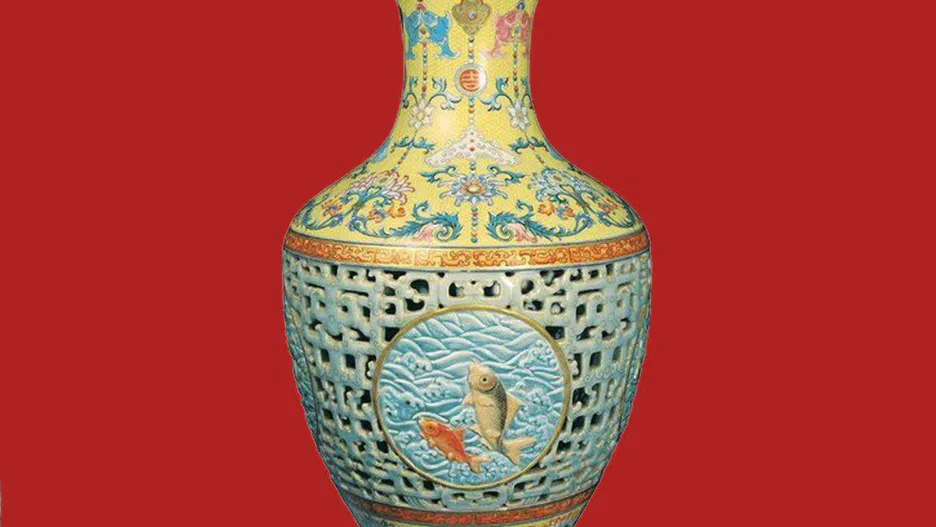
It was labelled a replica. Years later, the market ruled otherwise.


A brief television assessment once appeared to settle the fate of a Chinese vase. Dismissed as a copy, it attracted little attention for decades.
That judgement would later stand in sharp contrast to how the object was ultimately treated by the global art market.
Industry observers say its re-emergence illustrates how expertise, access to information and collector demand can shift significantly over time.
An early misjudgement
About 40 years before its sale, the vase was presented on the BBC antiques programme Going For A Song. According to Bainbridge Auctioneers, the owner was told it was “a very good reproduction”.


At the time, such programmes operated with limited comparative material and minimal access to Chinese imperial archives.
Auction specialists say erroneous assessments of Asian ceramics were common, particularly for works that had been extensively copied in later periods.
That conclusion meant the object remained outside serious scholarly or commercial focus for decades.
Imperial value
Subsequent examination identified the vase as dating to around 1740, during the reign of Emperor Qianlong of the Qing dynasty.
Art historians note that porcelain from this era was made under strict court oversight and is recognised for its technical refinement.
According to Wirtualna Polska, Qianlong-period works have become increasingly valuable as Chinese collectors compete to acquire imperial artefacts dispersed abroad. This trend has reshaped auction outcomes across Europe.
Comparable Qianlong porcelain has previously achieved prices in the tens of millions of pounds in London and Paris, though such sales remain exceptional.
When the vase emerged from a private British home and entered the catalogue of Bainbridge Auctioneers in Ruislip in 2012, expectations were limited with pre-sale estimates of between £800,000 and £1.2 million.
Instead, bidding lasted around 30 minutes and concluded at £53 million.
Bainbridge Auctioneers said the winning bidder was a collector from Beijing, who declined to comment publicly.
The price placed the sale among the most expensive Chinese ceramic transactions ever held in Europe.
Market lessons
Auction specialists later pointed to the result as an example of how advances in research standards can overturn long-standing misclassifications.
Expanded provenance databases, improved access to museum collections and international scholarship have narrowed the margin for error, though risks still remain.
According to auction professionals, the sale was viewed within the trade not as an emotional anomaly but as a market correction driven by updated knowledge and sustained demand.
Sources: Wirtualna Polska



