
 Kathrine Frich
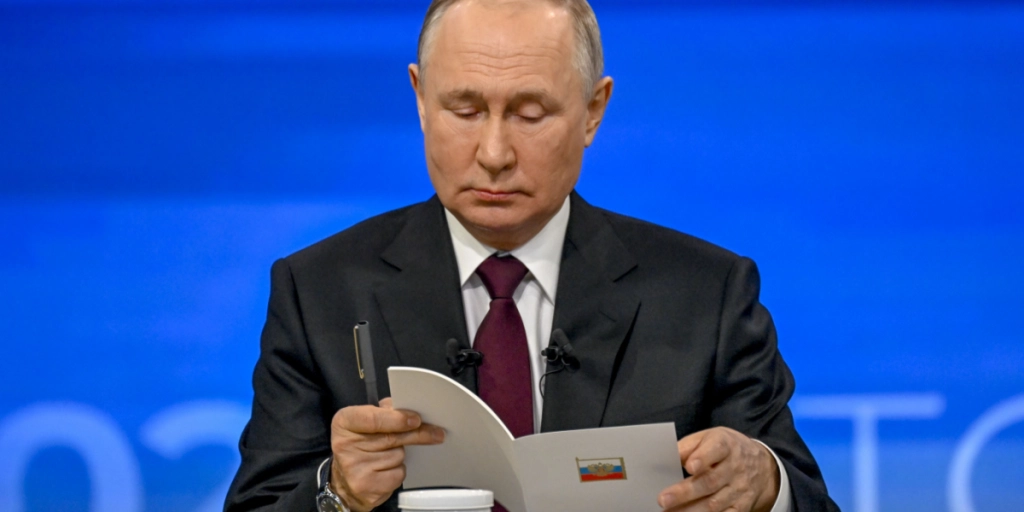
Putin is tightening control over historical narratives as authorities push new legislation tied to World War II memory.


Lawmakers say the changes are needed to protect national identity and counter what they describe as falsified history.
New law passed
Russia’s State Duma has approved a bill introducing criminal penalties for denying or endorsing what it defines as the “genocide of the Soviet people.”
The legislation was passed in its final readings on March 24, according to Digi24.
It expands existing laws on the “rehabilitation of Nazism,” which already criminalize denying crimes recognized by the Nuremberg Tribunal.


Tough penalties
Under the new rules, individuals could face fines of up to 3 million rubles, forced labor or prison sentences of up to three years.
Additional amendments also increase penalties for damaging or desecrating war memorials.
Those offenses could now carry fines of up to 5 million rubles or prison terms of up to five years.
Political justification
The initiative was introduced by Olga Zanko of the ruling United Russia party.
She argued the law is necessary to defend historical truth and national security.
According to her, some countries are attempting to rewrite World War II history and promote narratives that justify Nazism.
Expanding framework
The legislation builds on earlier measures introduced by President Vladimir Putin.
In 2026, a law came into force formally recognizing the concept of genocide against the Soviet people.
Putin also designated April 19 as a national day of remembrance for victims.
Growing prosecutions
Russia has steadily increased prosecutions under laws related to wartime history.
Since the introduction of the “rehabilitation of Nazism” article in 2014, hundreds of cases have been opened, according to OVD-Info.
In 2025, a record number of convictions were reported, with dozens of people receiving various punishments.
Sources: Digi24, OVD-Info



