
 Lauge Risom Koch
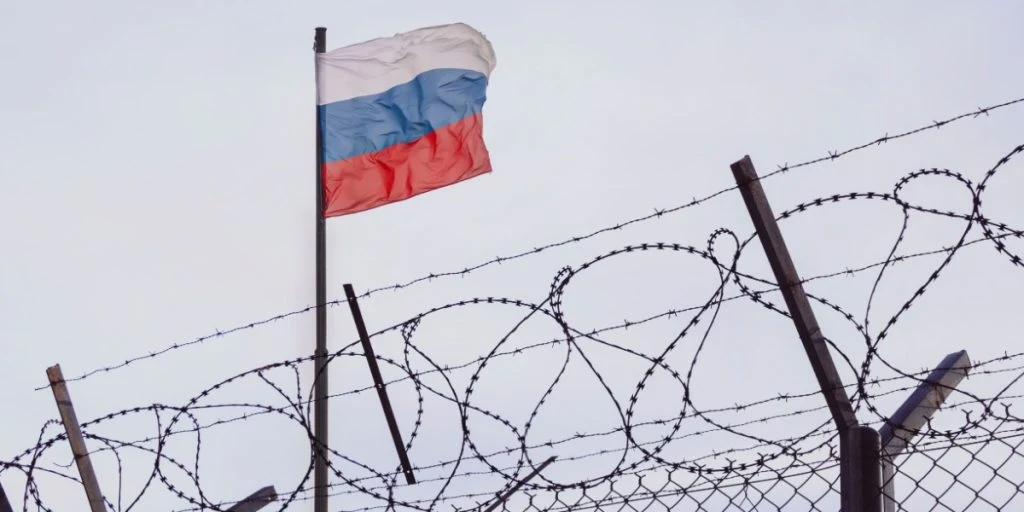
Russian citizens continue emigrating abroad due to persistent draft rumors, internet restrictions, and escalating domestic political repression.


Russian citizens continue to leave their country due to escalating fears of a potential military mobilization. According to AP News, recent Ukrainian drone strikes inside Russia have exacerbated public anxiety by triggering fuel shortages and heavy internet restrictions. While the current departure numbers remain smaller than the massive exodus of 2022, assistance organizations report a sharp rise in emigration inquiries.
Human rights organizations assisting emigres report receiving significantly higher volumes of queries during late summer. As reported by AP News, the Kovcheg support organization logged nearly eight times more inquiries last month than in May. The group’s founder, Anastasia Burakova, noted, “We’re seeing that people are preparing to emigrate, we’re seeing that people are looking into what options are there.”
Ukrainian officials claim Moscow plans to launch another mobilization campaign following the recent parliamentary elections. According to AP News, Kremlin representatives have repeatedly and vehemently denied these impending mobilization claims. Neighboring countries like Armenia and Georgia have nevertheless seen a higher influx of Russian citizens seeking visa-free entry.
Fleeing military service and economic disruption
Many fleeing individuals specifically cite fears of being forcibly drafted into active combat operations. As noted by AP News, young men and their families express concern over losing university deferments or facing forced contract signings. One young emigre stated that avoiding the army remains critical because “at this point it is a one-way ticket.”


Expanding state restrictions on digital infrastructure have also created severe professional obstacles for remote workers. According to AP News, the government has blocked thousands of online platforms, websites, and virtual private network services. Technical workers report difficulty maintaining employment while attempting to bypass these pervasive online blockades.
Ukrainian drone strikes against domestic infrastructure have further destabilized local economic conditions. As reported by AP News, long-range aerial attacks created an unprecedented domestic fuel crisis this summer. The strikes also caused severe operational disruptions across the rapidly growing domestic e-commerce sector.
Escalating political crackdowns and loss of freedom
Political repression and legal prosecutions represent another major catalyst driving citizens to depart. According to AP News, activists face criminal charges and detentions for displaying banned symbols or attending political gatherings. Recent court decisions striking anti-war opposition parties from ballots have further alienated politically active citizens.
Emigres express growing dismay over compulsory wartime propaganda within the national education system. As noted by AP News, residents characterize the country as a restrictive digital prison lacking fundamental free speech guarantees. One departing citizen summarized this widespread societal frustration by stating, “You have absolutely no rights.”
Regional diplomatic tensions have increased as neighboring states respond to the ongoing migration wave. According to AP News, Russian officials criticized Armenian statements offering assistance to individuals avoiding military service. Russian lawmaker Viktor Sobolev publicly dismissed fleeing citizens, stating, “Let them leave.”



