
 Kenneth Glad

Survival stories always captivate the human imagination. Most people know the classic tale of the stranded man who built a life from nothing. But the truth behind the fiction involves a very real clash of egos on the high seas.

In 1704, a Scottish sailor made a rash choice that changed literary history. Alexander Selkirk served as a mate on a privateer ship. The crew spent their days hunting for Spanish gold in the Pacific Ocean, but tension brewed below deck.
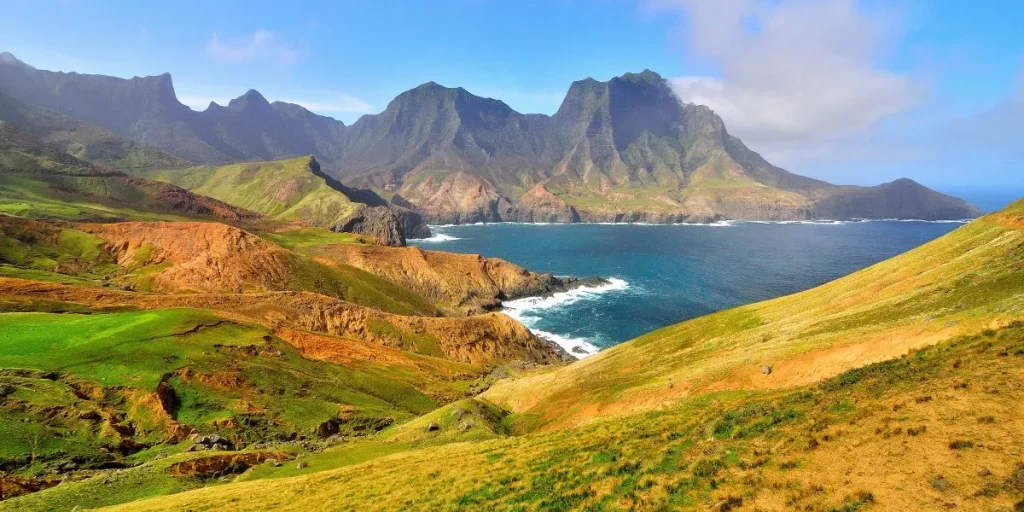
He clashed bitterly with his young captain. The fierce dispute finally boiled over off the coast of Chile. Selkirk demanded to be left ashore on the uninhabited island of Mas a Tierra.
He assumed another passing vessel would rescue him within weeks. According to HistorieNet, however, the stubborn sailor soon realized his terrible mistake. His solitary confinement lasted more than four long years.
Hunting on foot
The stranded man stepped onto the beach with just a few basic possessions. He carried a musket, an axe, a knife, and a Bible. Isolation required rapid adaptation.


When his limited gunpowder ran dry, Selkirk learned to chase the agile animals down on foot. He simply caught them by hand. After the meat was secured, he used their skins to stitch together fresh clothes.
Rats routinely attacked him while he slept in a damp coastal cave. He tamed feral cats to keep the aggressive rodents at bay. Over time, the man built wooden huts and his bare feet became tough enough to walk over sharp rocks without pain.
Rescue and legacy
Rescue finally arrived in February 1709. Two English ships anchored near the island to gather supplies. The stunned sailors discovered a wild-looking man clothed in goatskins, and they brought the survivor back to Britain.
His incredible story of resilience quickly spread across the country. HistorieNet notes that author Daniel Defoe likely used Selkirk as the main inspiration for his iconic 1719 novel. That book introduced Robinson Crusoe to the world.
Defoe changed several key details for dramatic effect. The fictional Crusoe spent nearly three decades on a Caribbean island and met a loyal companion. Selkirk endured his four brutal years entirely alone in the Pacific.
The real sailor eventually returned to the sea. He died in 1721. Centuries later, Chile officially renamed his former island prison, and today maps label that Pacific outpost as Robinson Crusoe Island.



