
 Lauge Risom Koch
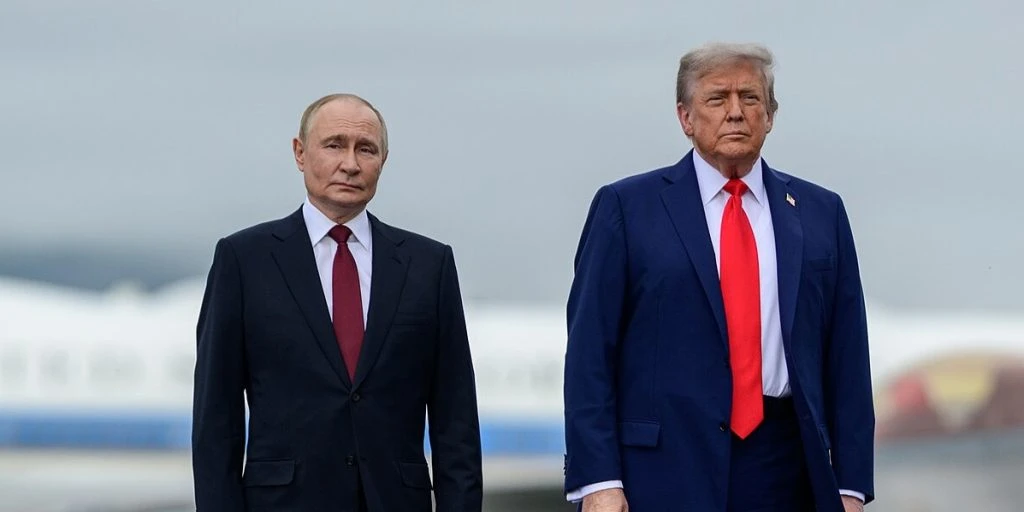
The United States formally invited Vladimir Putin to the Group of Twenty summit in Miami as officials attempt to broker a limited ceasefire agreement.
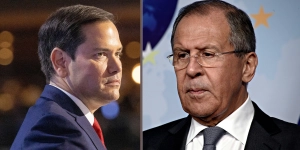
The United States has formally invited Russian leader Vladimir Putin to attend the upcoming Group of Twenty summit. According to United24 Media, the massive diplomatic gathering is scheduled for December 20 in Miami, Florida. United States Secretary of State Marco Rubio officially announced the high-profile decision to reporters following a meeting with Russian Foreign Minister Sergei Lavrov.
Rubio publicly expressed hope that the Russian president would accept the formal invitation to visit the United States. As reported by United24 Media, the diplomatic event would offer the Kremlin leader a crucial chance to speak directly with United States President Donald Trump. The international summit would also provide Putin with a rare opportunity to negotiate face-to-face with other prominent world leaders.
Beyond the summit invitation, American officials indicated a strong willingness to help mediate the ongoing European conflict. According to United24 Media, Rubio stated that the United States remains completely open to playing a “constructive role” in making a ceasefire happen. He emphasized that the American government wants to facilitate a diplomatic resolution to the devastating military confrontation.
Ceasefire negotiations and global pressures
The American diplomat acknowledged that a limited ceasefire would not permanently end the ongoing war in Eastern Europe. However, as noted by United24 Media, Rubio stated that a temporary truce could “potentially alleviate some of the global pressures that are being felt.” This pragmatic approach aims to secure immediate humanitarian and economic relief while broader diplomatic negotiations continue.


Reporters specifically questioned the Secretary of State regarding Moscow’s potential interest in securing an energy-related truce. According to United24 Media, Rubio confirmed that both warring sides have expressed a clear interest in a limited ceasefire that involves grain and energy. Such a targeted agreement could help stabilize international markets and protect critical civilian infrastructure during the upcoming winter.
While American diplomats push for a limited truce, broader discussions regarding diplomatic engagement with Moscow continue across various international forums. As highlighted by United24 Media, these complex diplomatic efforts coincide with growing global concerns regarding unconventional warfare tactics. International leaders continue attempting to balance diplomatic outreach with the urgent need to counter aggressive hybrid threats.
NATO defense strategies and hybrid warfare
During a recent event in Iowa, Mark Rutte publicly addressed the growing international anxiety over gray-zone aggression. According to United24 Media, these unconventional threats include devastating cyberattacks, physical sabotage operations, and the deliberate severing of critical undersea cables. The prominent leader explained how the military alliance plans to counter these complex security challenges without triggering a massive escalation.
Rutte stated that the mutual defense clause found in Article Five was intentionally designed to be somewhat ambiguous. As reported by United24 Media, this deliberate vagueness prevents hostile adversaries from easily exploiting strict red lines during hybrid warfare operations. The military alliance intentionally keeps its operational thresholds completely vague so as not to inform potential opponents about its exact defensive triggers.
Despite the intentional ambiguity, Rutte confidently assured the public that the military alliance retains a full spectrum of effective responses. According to United24 Media, he noted that the international coalition can launch asymmetric retaliatory strikes to counter complex geopolitical threats. He specifically cited ongoing efforts against Russia’s shadow fleet and operations like Baltic Sentry as prime examples of coordinated military counters.



