
 Nicolai Haugsted
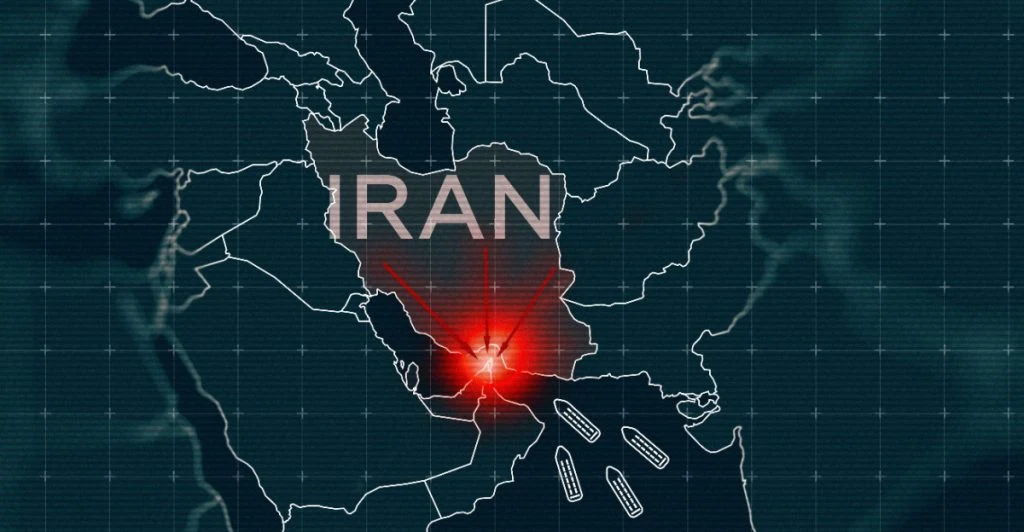
A massive supply of war-supply is on its way to the Strait of Hormuz.


British military planners are preparing a new maritime security operation near one of the world’s most strategically sensitive waterways, as tensions across the Middle East continue to affect international shipping routes.
According to Digi24, London confirmed Tuesday that it will deploy fighter jets, naval assets and autonomous mine-clearing technology to support a multinational mission focused on protecting commercial traffic through the Strait of Hormuz.
Warship and fighter jets heading to region
British Defence Secretary John Healey presented the plan during a virtual meeting involving representatives from more than 40 countries participating in the operation.
Typhoon fighter aircraft, drone-based mine-hunting systems and the Royal Navy destroyer HMS Dragon will form part of the British contribution. HMS Dragon is already travelling toward the Middle East, while additional anti-drone capabilities and maritime surveillance systems are expected to follow.


Britain also announced a new £115 million security package aimed at strengthening mine-detection drones and counter-drone defenses tied to the mission.
“Together with our allies, this multinational mission will be defensive, independent and credible,” Healey said in a statement, according to the British defence secretary.
Focus on Strait of Hormuz
Military officials view the Strait of Hormuz as one of the most critical chokepoints in global trade, with major volumes of oil and commercial cargo moving through the narrow passage every day.
Growing instability across the region has raised concerns among shipping companies and Western governments over potential disruptions to maritime traffic. British authorities said the operation is intended to reassure commercial operators and safeguard freedom of navigation.
Autonomous underwater systems designed to locate and neutralize naval mines are expected to play a central role in the deployment. High-speed drones and air patrol missions will also be used to monitor threats in and around the shipping corridor.
More than 1,000 British troops already deployed
British forces already maintain a substantial military footprint in the region. More than 1,000 personnel are currently stationed across existing operations, including fighter squadrons and specialist anti-drone units.
Officials involved in the talks reportedly said the multinational mission will become fully operational once regional conditions allow for deployment on a broader scale.
Strategic pressure around the Gulf has intensified during recent months, pushing NATO-aligned countries to strengthen naval coordination and defensive readiness across key maritime routes.



