
 Mikkel Christensen
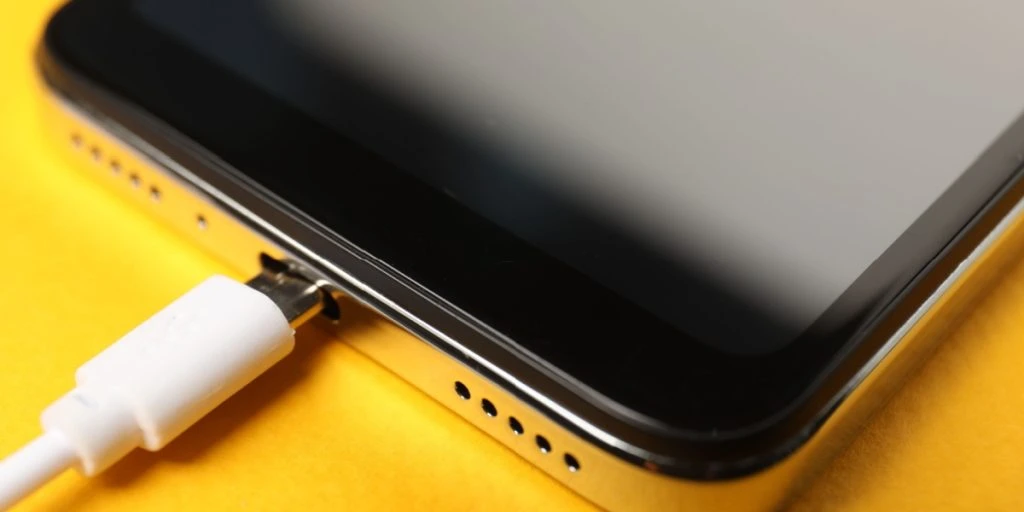
Smartphones rely on lithium-ion batteries, but many people still follow outdated charging advice that may actually reduce battery lifespan.


Smartphones rely on lithium-ion batteries, but many people still follow outdated charging advice that may actually reduce battery lifespan.
According to BGR, several long-standing beliefs about charging habits are either exaggerated or completely false.
Using while charging
One common myth claims you should never use your phone while it is charging.
In reality, light tasks such as messaging, browsing or listening to music are generally considered safe.


The bigger issue is heat generation during demanding activities like gaming or recording video.
Excessive heat can accelerate battery degradation and reduce long-term battery health.
Cheap chargers
Another widespread misconception is that any charger will safely charge your phone.
Experts warn that low-quality chargers may poorly regulate voltage and increase overheating risks.
Cheap accessories can also damage charging ports or internal components over time.
Certified chargers approved by Apple, USB-IF or other major standards groups are generally considered safer options.
Battery percentage
Many users still believe phone batteries should regularly be drained to 0% before charging again.
Modern lithium-ion batteries actually perform best when kept between roughly 20% and 80%.
Allowing batteries to fully discharge too often can place additional stress on internal components.
Battery experts say partial charging cycles are healthier than repeatedly charging from empty to full.
Overnight charging
Leaving phones plugged in overnight is another major source of confusion.
Modern smartphones are designed to stop charging once the battery reaches full capacity.
However, keeping batteries constantly at 100% for long periods can still slowly contribute to wear over time.
Many newer devices now include optimized charging modes designed to reduce overnight battery stress.
Wireless charging
Wireless charging remains convenient, but it is generally less efficient than wired charging.
Because energy transfers through the air, more heat is typically generated during the process.
Poor alignment between the phone and charging pad can make charging even less efficient.
Experts recommend using high-quality wireless chargers and avoiding excessive heat whenever possible.
Sources: BGR, battery industry guidance



