
 Kenneth Glad
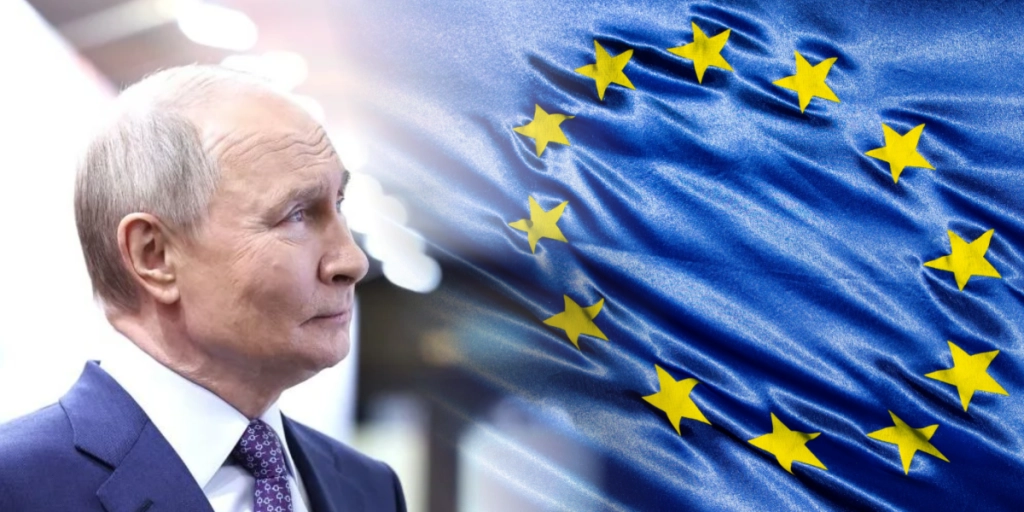
Talks meant to end a war can create legal questions before they even begin. One recent court move has put diplomats and prosecutors on the same difficult path.


A possible peace meeting in Switzerland has drawn attention to a problem facing any country that might host Russian President Vladimir Putin: The International Criminal Court (ICC) still wants him arrested.
A recently published ICC chamber decision says that if a wanted head of state attends a United Nations-convened peace conference in an official capacity, that fact may be weighed later when judges examine whether the host country breached its duties.
The warrant has not disappeared
The ICC warrant against Putin remains in force. The Court accuses him of alleged responsibility for the unlawful deportation and transfer of children from occupied Ukrainian territory to Russia.
The Rome Statute says official rank does not automatically protect someone from ICC jurisdiction. Under Article 27, positions such as president, prime minister or government minister do not, by themselves, exempt a person from criminal responsibility before the Court.


Earlier ICC rulings, including cases linked to former Sudanese President Omar al-Bashir, have thus treated head-of-state immunity as no barrier before the Court.
What makes the new chamber document sensitive is not that it cancels those rules. It does not. The issue is whether a state hosting UN-backed negotiations could later defend a decision not to arrest a leader who arrived for peace talks.
Onet reports that the ICC has not identified the country that asked the legal question. Switzerland has nevertheless been linked to the issue, after its officials publicly discussed possible arrangements for Putin to attend peace negotiations.
Large parts of the chamber’s reasoning remain sealed, which has left lawyers debating how far the guidance really goes.
Gleb Bogush, an international lawyer cited by Onet, frames the matter as one that should be handled by courts through legal procedure, not improvised by European leaders seeking diplomatic room.
Another court cannot cover everything
A separate analysis in The Moscow Times argues that while the ICC can investigate war crimes, crimes against humanity and genocide in Ukraine, it cannot fully address the initial decision to wage an aggressive war.
That is why Ukrainian officials and some legal experts have pushed for a special tribunal on aggression.
In 2023, Russian legal scholars and human rights lawyers issued the Brussels Declaration in support of accountability for the invasion of Ukraine.
“The prosecution of political and military leaders, who planned, initiated, and continue to wage this war of aggression, as well as their accomplices, is indispensable for bringing justice to a large number of victims,” the declaration states.
For governments, the dilemma is immediate. Arresting Putin would be legally explosive. Letting him pass through a host country would be politically explosive.
The ICC chamber has not offered a free pass. It has left a narrow question open for later review: Whether a peace process formally tied to the United Nations changes how non-arrest should be judged.
Sources: Onet, The Moscow Times, ICC, Rome Statute



