
 Kenneth Glad
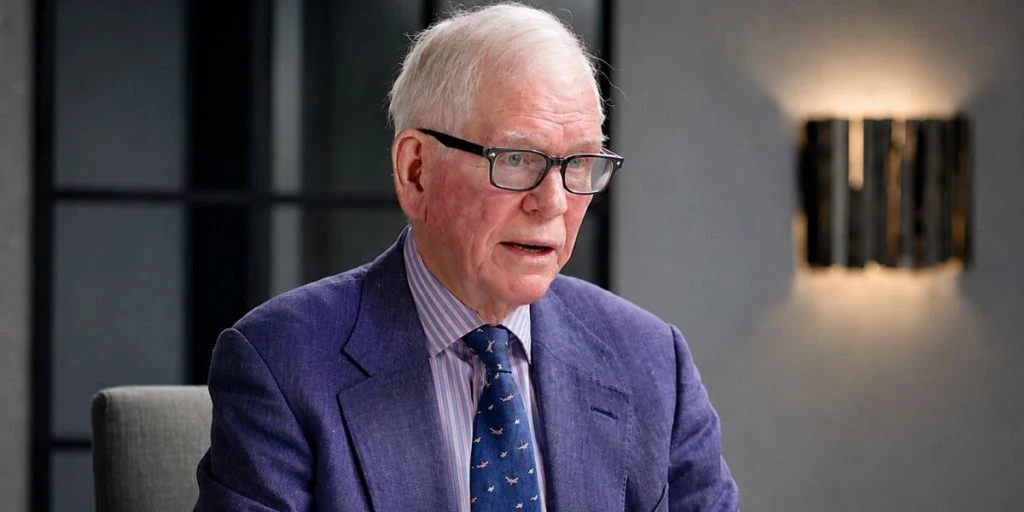
People preparing for a changing labour market face two very different choices. One prominent investor believes the strongest strategy may combine technological expertise with abilities grounded in the physical world.


Jeremy Grantham, the veteran investor who co-founded asset management firm GMO and has spent decades studying market bubbles, believes artificial intelligence could offer an exceptional route to wealth while also making practical skills more important.
Asked what a younger person should do to become rich, the billionaire investor recommended entering the AI sector, learning more than competitors and joining a leading company. His answer was direct: Pursue the industry aggressively and “go for broke.”
Yet when the conversation turned to preparing young people for a less stable future, Grantham offered very different advice.
“Be an engineer. Do something really useful that will come in handy if things start to unravel.”


He made the remarks during an appearance on The Diary of a CEO podcast. Grantham said during the interview that he had spent approximately 60 years in investment management and had overseen as much as $165 billion in client assets.
He did not dismiss the importance of AI. Grantham described it as one of the defining ideas of recent centuries and said it would change almost everything.
He also argued that investor enthusiasm had created an enormous financial bubble and compared the current excitement with earlier booms surrounding railways and the internet, when important technologies attracted more money than markets could ultimately sustain.
Work beyond the screen
Host Steven Bartlett raised the development of humanoid robots capable of carrying out repetitive physical work. He referred to a demonstration involving a robot sorting packages continuously while a human worker required sleep and other breaks.
Grantham agreed that combining advanced software with robotics was likely to cause significant employment disruption.
His engineering recommendation focused on knowledge connected to machinery, infrastructure and real-world problem-solving. Such work could remain important alongside automated systems and in situations where digital services are unavailable or unreliable.
Grantham also described how one of his sons had begun building agricultural experience.
“Our second son is practicing growing various crops and has a small farm. He’s trying to get to know how you would deal with chickens, how you would deal with pigs, how you would deal with mushrooms.”
Grantham was not suggesting that everyone should take up farming. His point was that skills such as growing food, handling animals and fixing practical problems may become more valuable if technology or public systems fail.
Later in the interview, he warned that the complexity of modern civilisation could begin to unravel. He connected that concern with pressures already affecting households, including expensive housing, widening inequality and growing frustration among people who doubt they will achieve the financial security enjoyed by their parents.
Opportunity amid uncertainty
Grantham also pointed to weakening public services as a possible sign of strain. These comments reflected his personal reading of economic and social conditions, rather than an established prediction that a broad collapse will occur.
His outlook on AI remains deliberately mixed.
The technology could reward people who develop specialised knowledge and secure roles at leading companies. At the same time, it could reduce demand for existing occupations as software takes over intellectual tasks and robots become capable of more physical work.
For workers, Grantham’s advice is not to choose between technology and traditional knowledge. It is to understand the systems driving economic change while retaining the ability to solve problems away from a screen.
Engineering, food production and other hands-on skills offer no guarantee of protection from automation. But in Grantham’s view, they could remain useful long after today’s most fashionable roles have changed.
Source: The Diary of a CEO interview with Jeremy Grantham



