
 Jens Asbjørn Bøgen
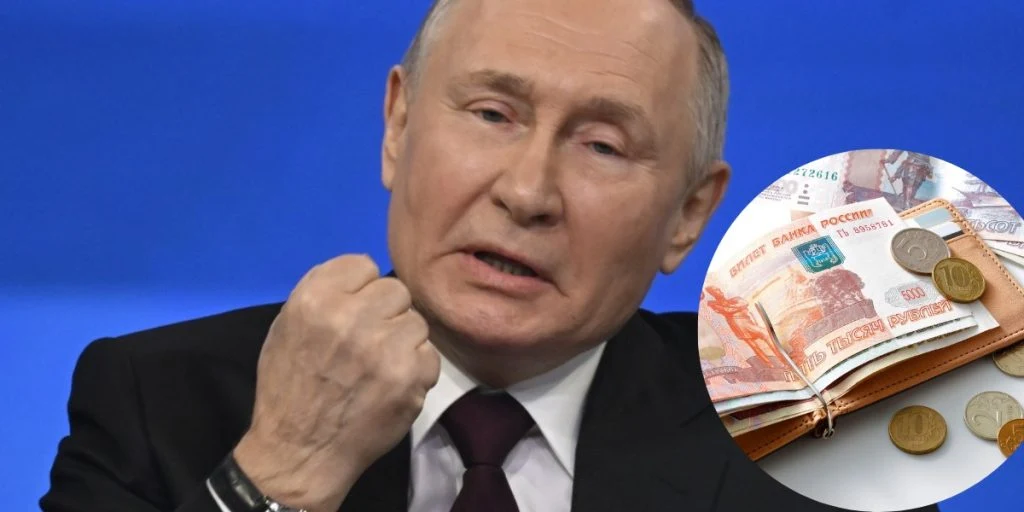
Some shop keepers are even asking costumers to skip the credit card.


Most people today rarely carry paper money, relying instead on the swift tap of a card or smartphone.
But when the digital networks keeping modern society moving begin to falter, old habits return. Fast.
A sudden shift in consumer behavior can quickly reveal just how fragile modern conveniences really are.
Going old school
Shoppers across Russia are rapidly abandoning their digital wallets and returning to traditional banknotes.


Since the start of 2026, the country’s central bank has put an extra £14.8 billion worth of cash into circulation to meet the sudden demand.
According to the BBC, this represents the biggest surge in physical currency the nation has seen ever outside the chaotic years of the Covid-19 pandemic.
Local experts point out that the massive cash injection highlights a sharp drop in public trust in the wider financial system.
The sudden pivot back to paper is tied directly to the ongoing conflict. As Ukrainian drones regularly target oil facilities deep inside Russia, local authorities have taken to shutting down mobile internet networks to disrupt enemy drone navigation.
However, those security blackouts also disable retail card machines, leaving ordinary shoppers completely stranded at the till.
Dodging the taxman
New financial regulations are also altering how people pay. In January, the Kremlin raised the national value-added tax rate from 20 percent to 22 percent.
At the same time, officials lowered the earnings threshold that requires small and medium-sized businesses to pay the tax.
To survive the squeeze, many shopkeepers now actively encourage customers to pay with paper notes. Media reports indicate this allows independent businesses to hide their true revenues and avoid the heavy new tax burden.
Grim outlook
That domestic anxiety is backed up by grim economic data. The Russian economic ministry recently slashed its growth outlook for the year.
Observers point to a toxic mix of falling oil revenues, high inflation, and sky-high military spending, which has already sparked fuel shortages and rationing in several regions.



