
 August M
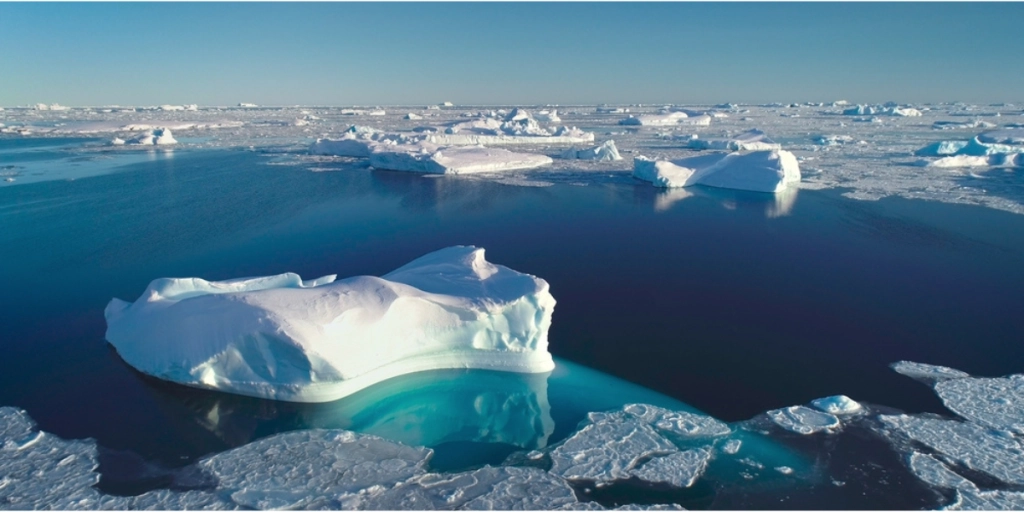
Living near the coast has always carried a quiet romance, with salty breezes and endless ocean views drawing millions to the shore.


Yet the very water that defines those communities is slowly creeping higher every year. Tomorrow’s shorelines may look remarkably different from today’s, reports The Guardian.
Rising waters
A major study reveals that up to 13 million people in the United Kingdom face long-term risks from coastal flooding. The Guardian reported that scientists analyzed sea level projections alongside advanced flood mapping to assess future dangers.
Ocean levels around the UK have already risen by 20 centimetres over the past century. Another 40 to 60 centimetres of rise is already locked in by 2100, putting half a million more residents at risk. Lincolnshire and the Humber estuary face the highest danger.
Prof Matt Palmer at the University of Bristol highlighted the slow nature of ocean warming. “The oceans and ice-covered parts of the world respond very slowly to global warming, which makes sea level rise the ‘sleeping giant’ of climate change. The result is that sea-level rise is locked-in for centuries to come,” Palmer said.


Sleeping giant
The real worry for scientists is what happens if polar ice sheets begin a runaway collapse into the sea. Under a worst-case scenario, UK waters could surge by 15 metres by 2300, swamping large parts of London.
In Nature Communications, researchers warned that short-term planning creates a false sense of security. “[Planners] who only consider changes over the coming century may have a false impression of the true risk landscape given the potential for post-2100 acceleration of sea level rise,” the team wrote.
They added that “It is inevitable that a combination of additional or enhanced flood defences and managed retreat will be necessary to mitigate against post-2100 flood risk.”
Long road ahead
Dr Rob Larter at the British Antarctic Survey stressed that extreme projections must be taken seriously. “It shows how the UK is likely to have to adapt to several metres of sea level rise over coming centuries. The higher impact [scenarios] presented in this study need to be considered as genuine possibilities rather than unlikely scare stories,” Larter noted.
Meeting Paris agreement targets could spare one million UK citizens from flood exposure by 2300. Still, protecting vulnerable coastal towns will demand bold action and rapid emission cuts.
Sources: The Guardian, Nature Communications, University of Bristol



